- This topic is empty.
-
AuthorPosts
-
2026-03-30 at 3:34 pm #8137
Choosing between dry-type and liquid-filled transformers is a critical decision that directly affects safety, installation planning, operating costs, and long-term reliability. While both designs serve the same fundamental purpose—stepping voltage up or down for efficient power distribution—their structural differences make them suitable for very different environments.
This practical guide breaks down how each transformer type works, where it performs best, and how to evaluate your project’s technical and environmental requirements before making a decision.
Understanding the Basics
What Is a Dry-Type Transformer?
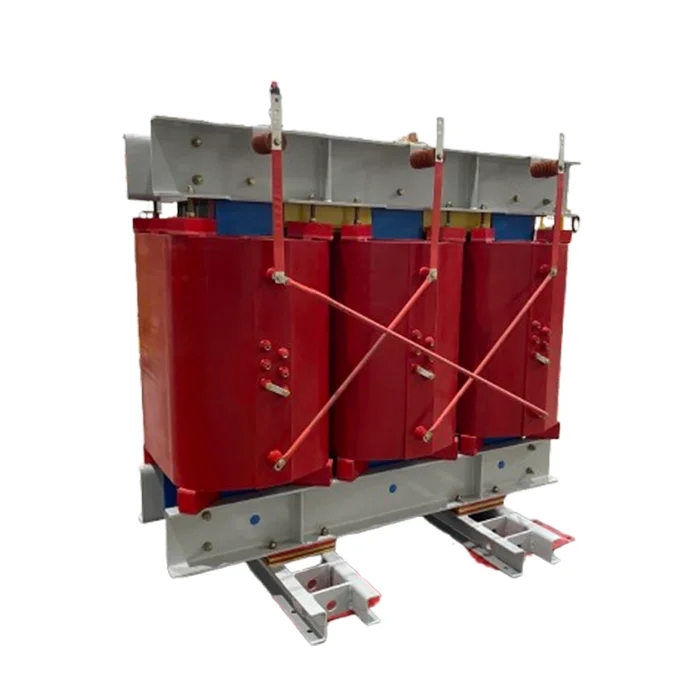
Dry-type transformers use air as the cooling medium. Their windings are insulated with resin or varnish rather than immersed in liquid. The two most common types are:
-
Vacuum Pressure Impregnated (VPI)
-
Cast resin (epoxy encapsulated)
They are typically installed indoors and are widely used in commercial buildings, hospitals, data centers, and industrial facilities where fire safety and environmental protection are priorities.
What Is a Liquid-Filled Transformer?
Liquid-filled transformers use insulating oil or other dielectric fluids to cool and insulate the core and windings. The liquid circulates naturally or through forced cooling systems to dissipate heat.
They are most often used outdoors or in dedicated transformer rooms, especially in utility-scale, renewable energy, heavy industrial, and high-capacity distribution applications.
Cooling and Heat Dissipation
Heat management is one of the most important factors when selecting a transformer.
Dry-Type:
-
Air-cooled
-
Lower cooling efficiency compared to liquid
-
Limited overload capacity
-
Better suited for moderate power ratings
Liquid-Filled:
-
Oil or fluid-cooled
-
Superior heat dissipation
-
Higher overload capability
-
Ideal for high-capacity and high-demand systems
For projects with continuous heavy loads or frequent load fluctuations, liquid-filled transformers generally offer more stable thermal performance.
Safety and Fire Considerations
Fire risk and environmental safety are often deciding factors.
Dry-Type Advantages:
-
No flammable liquid
-
Lower fire risk
-
No risk of oil leakage
-
Preferred in indoor public spaces
This makes them common in schools, hospitals, airports, and high-rise buildings.
Liquid-Filled Considerations:
-
Uses combustible oil (unless special fluids are selected)
-
Requires containment measures (oil pits or bund walls)
-
Strict compliance with fire codes
However, with proper design and protection systems, liquid-filled units operate safely in most industrial and outdoor environments.
Installation Environment
Your site conditions matter.
Indoor Installations
Dry-type transformers are generally easier to install inside buildings because:
-
No need for oil containment
-
Minimal environmental risk
-
Lower ventilation complexity in moderate load conditions
Outdoor Installations
Liquid-filled transformers are often preferred outdoors because:
-
Better resistance to weather exposure
-
Higher power handling capability
-
Improved efficiency under high loads
For renewable energy sites such as solar farms or wind substations, liquid-filled transformers are commonly specified.
Efficiency and Losses
Efficiency affects long-term operating cost and sustainability targets.
Liquid-filled transformers typically achieve:
-
Lower no-load losses
-
Better cooling efficiency
-
Higher energy performance at scale
Dry-type transformers have improved significantly in recent years, but in large-capacity applications, liquid-filled units still tend to perform better thermally and electrically.
When evaluating lifecycle cost—not just initial purchase—loss performance should be carefully reviewed.
Maintenance Requirements
Maintenance strategy influences downtime and total ownership cost.
Dry-Type:
-
Minimal maintenance
-
Periodic cleaning to remove dust
-
Visual inspection of windings
-
No oil testing required
Liquid-Filled:
-
Regular oil testing (dielectric strength, moisture, acidity)
-
Seal inspections
-
Cooling system checks
-
More comprehensive maintenance schedule
That said, modern sealed liquid-filled designs have reduced maintenance demands significantly.
Size and Space Considerations
Dry-type transformers are often:
-
Larger in physical size for equivalent rating
-
Heavier per kVA at certain capacities
Liquid-filled transformers:
-
More compact for higher power ratings
-
Better suited when space optimization is critical
In projects with tight footprint constraints and high power demand, liquid-filled units may provide practical advantages.
Noise Levels
Transformer noise is generated by core magnetostriction and cooling systems.
-
Dry-type units may produce higher audible noise due to open ventilation.
-
Liquid-filled transformers often operate more quietly because oil dampens sound and vibration.
For installations near offices, residential areas, or commercial spaces, acoustic design must be considered during specification.
Environmental Impact
Environmental compliance is increasingly important.
Dry-type transformers:
-
No oil spill risk
-
Lower environmental hazard profile
-
Simpler regulatory approval indoors
Liquid-filled transformers:
-
Risk of leakage if damaged
-
May require containment systems
-
Some fluids offer biodegradable options
Modern engineering standards have greatly improved environmental safety in liquid-filled designs.
http://www.dmtransformer.com
Dingmao (DM) -
-
AuthorPosts

- You must be logged in to reply to this topic.