In many industrial environments, controlling heat exposure is essential for maintaining equipment performance, protecting workers, and ensuring safe production. Industries such as power generation, metal processing, shipbuilding, aerospace, and automotive manufacturing all depend on reliable thermal protection materials to withstand demanding operating conditions.
Among the various insulation materials available, texturized fiberglass cloth has gained widespread recognition for its combination of heat resistance, mechanical durability, flexibility, and insulating efficiency. Its distinctive fabric structure enables it to perform effectively in applications where ordinary textile materials may lose their strength or deteriorate after prolonged exposure to high temperatures.
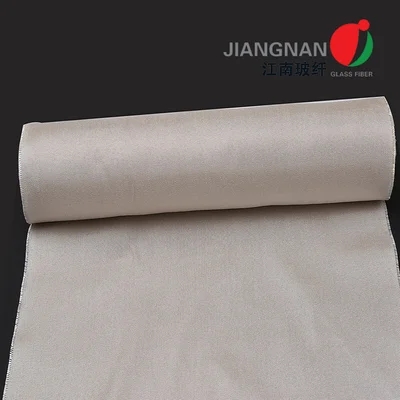
For industrial engineers, insulation system designers, and purchasing professionals, understanding the performance characteristics of this material can help them make more informed decisions when selecting thermal protection solutions.
is particularly valuable in applications that require a balance between thermal insulation, structural reliability, and convenient installation.
What Makes Texturized Fiberglass Cloth Different?
Texturized fiberglass cloth is a specialized woven fabric manufactured using processed fiberglass yarns. During production, high-pressure air is applied to the fiberglass strands, creating numerous small loops and spaces within the yarn structure.
This process gives the finished fabric a thicker, softer, and more voluminous appearance than conventional woven fiberglass cloth. More importantly, the additional air spaces help improve its thermal insulation characteristics.
Its distinctive construction provides several practical benefits:
-
Enhanced resistance to heat transfer
-
Improved flexibility for installation
-
Greater fabric thickness without excessive weight
-
Good resistance to temperature fluctuations
-
Better adaptability to uneven equipment surfaces
Air trapped within the fabric structure acts as an insulating layer, slowing the movement of heat through the material. Combined with the natural heat-resistant properties of fiberglass, this makes texturized fiberglass cloth a practical option for demanding thermal protection applications.
Why Industrial Thermal Protection Requires the Right Insulation Material
Thermal protection systems are designed to minimize unwanted heat transfer and maintain suitable temperature conditions between different areas of an industrial facility.
Depending on the application, these systems may protect machinery, electrical components, pipelines, structural assemblies, composite materials, and operating personnel.
Using unsuitable insulation materials can create several problems, including:
-
Increased heat loss and energy consumption
-
Excessive temperatures around equipment
-
Higher maintenance and replacement expenses
-
Potential risks to workers
-
Reduced service life of critical components
Therefore, choosing insulation fabric requires more than checking its maximum temperature rating. Buyers should also consider mechanical strength, flexibility, environmental resistance, fabrication requirements, and long-term performance.
Texturized fiberglass cloth addresses many of these requirements through its combination of thermal and physical properties.
1. Reliable Performance in High-Temperature Environments
Heat resistance is one of the most important considerations when selecting industrial insulation fabrics.
Fiberglass is an inorganic material that can withstand significantly higher temperatures than many conventional textile fibers. Texturized fiberglass cloth retains its basic woven structure under demanding thermal conditions, making it suitable for various industrial applications.
Depending on the fiberglass composition, fabric construction, and surface treatment, certain products can support continuous operating temperatures of approximately 550°C.
Its thermal characteristics generally include:
-
Good resistance to prolonged heat exposure
-
Stable physical structure under suitable operating conditions
-
Low thermal conductivity
-
Resistance to repeated temperature changes
These properties make it useful for manufacturing furnace insulation covers, welding blankets, industrial heat shields, fire curtains, expansion joint fabrics, and exhaust system insulation.
For applications involving continuous high temperatures, selecting a product with an appropriate temperature rating is essential to achieving reliable performance.
2. Improved Insulation Efficiency and Heat Retention
An effective thermal insulation material should do more than tolerate high temperatures. It should also reduce the rate at which heat moves from one surface or environment to another.
The texturized structure of fiberglass cloth helps achieve this objective by forming numerous small air spaces around the yarns. Since stationary air has relatively low thermal conductivity, these spaces help reduce heat transfer through the fabric.
Compared with standard woven fiberglass fabrics of similar construction, texturized fiberglass cloth can provide additional insulation benefits.
These include:
-
Improved heat retention in industrial equipment
-
Reduced heat transfer to surrounding areas
-
Lower external surface temperatures when properly designed into an insulation system
-
Better support for industrial energy-saving measures
-
Enhanced protection for nearby components and personnel
For manufacturing facilities that operate furnaces, boilers, heating equipment, and high-temperature pipelines, improved insulation can contribute to lower energy losses and more stable operating conditions.
Actual insulation performance will depend on fabric thickness, installation methods, temperature differences, and the overall insulation system design.
3. Flexible Construction for Different Equipment Shapes
Industrial equipment is rarely limited to flat or regular surfaces. Pipes, valves, flanges, joints, and exhaust assemblies often have complicated geometries that make insulation installation challenging.
Rigid insulation products may require extensive cutting, shaping, or additional structural components to fit these areas.
Texturized fiberglass cloth offers greater flexibility, allowing it to conform more easily to curved surfaces and irregular equipment structures.
This makes it particularly suitable for producing:
-
Removable thermal insulation jackets
-
Flexible pipe insulation covers
-
Industrial protective wraps
-
Custom thermal insulation pads
-
Expansion joint covers
-
Equipment protection blankets
Its relatively soft texture also makes handling and fabrication more convenient. For industrial maintenance teams, this can simplify installation and reduce the time required to cover complex equipment.
4. Mechanical Strength for Long-Term Industrial Use
Thermal insulation products are frequently exposed to mechanical stress throughout their service life.
In addition to heat, they may encounter vibration, friction, repeated handling, environmental exposure, and regular maintenance operations.
Texturized fiberglass cloth combines a flexible structure with the inherent strength of woven fiberglass yarns, helping it maintain its physical properties under suitable working conditions.
Important mechanical characteristics include:
-
Good tensile strength
-
Resistance to tearing
-
Stable fabric dimensions
-
Lightweight construction
-
Suitability for repeated industrial handling
These characteristics make the material useful in applications where insulation fabrics must remain functional despite regular equipment operation and maintenance activities.
Choosing a suitable fabric specification can also help reduce premature damage, replacement frequency, and maintenance-related downtime.
5. Non-Combustible Properties for Enhanced Fire Protection
Fire prevention is another important reason why fiberglass fabrics are widely used in industrial safety systems.
Unlike many organic textile materials, fiberglass is inherently non-combustible. It does not readily ignite or act as a fuel source under normal fire exposure conditions.
Depending on the fabric specification and any additional coating or treatment, texturized fiberglass cloth can provide valuable protection in applications involving sparks, hot surfaces, and elevated temperatures.
Typical applications include:
-
Industrial fire blankets
-
Welding protection curtains
-
Fire-resistant equipment covers
-
Thermal separation barriers
-
Emergency heat protection systems
Its ability to resist combustion makes it a useful component in passive fire protection solutions.
However, the finished product's fire performance depends on its complete construction. Coatings, laminations, stitching materials, and other components should also be considered when evaluating fire resistance.
6. Good Chemical Stability in Industrial Environments
In many manufacturing facilities, insulation materials are exposed to more than heat alone.
Contact with moisture, oils, cleaning agents, industrial liquids, and certain chemicals can gradually affect material performance.
Fiberglass generally demonstrates good resistance to many common industrial substances, making it suitable for applications where environmental exposure is an important consideration.
Texturized fiberglass cloth can maintain useful physical and thermal properties when selected for compatible working conditions.
Its chemical stability helps support applications in:
-
Industrial processing equipment
-
Chemical manufacturing facilities
-
Power generation systems
-
Marine machinery
-
Pipeline insulation assemblies
Nevertheless, chemical compatibility should always be evaluated according to the actual substance, concentration, exposure temperature, and contact duration. Additional surface treatments may be required in more aggressive environments.
7. Lightweight Construction Without Sacrificing Performance
Weight is an important factor when selecting insulation materials, particularly in applications where additional structural loading should be minimized.
Texturized fiberglass cloth provides useful thermal protection without requiring the heavy construction associated with some traditional insulation systems.
Its lightweight characteristics are beneficial for:
-
Aircraft and aerospace-related equipment
-
Marine installations
-
Automotive thermal protection
-
Transportation equipment
-
Portable industrial machinery
Reducing unnecessary weight can make insulation products easier to handle, transport, and install. It may also help minimize the additional load placed on supporting structures.
For mobile equipment and specialized machinery, these advantages can be particularly valuable.
8. Convenient Processing and Customized Fabrication
For industrial manufacturers, a material's ability to integrate into existing production processes is another important purchasing consideration.
Texturized fiberglass cloth can be processed into different shapes and finished products according to specific application requirements.
Common manufacturing processes include:
-
Cutting and sewing
-
Fabric lamination
-
Surface coating
-
Die cutting
-
Wrapping and assembly
It can also be combined with different surface treatments to enhance its performance.
Common options include:
Silicone Coating: Improves surface protection and provides additional resistance to moisture and environmental exposure.
Vermiculite Coating: Helps improve the fabric's resistance to elevated temperatures and certain thermal exposure conditions.
Aluminum Foil Lamination: Provides a reflective surface that can help reduce radiant heat transfer when properly installed.
PTFE Coating: Offers improved chemical resistance and non-stick surface characteristics for applications requiring specialized protection.
The appropriate treatment should be selected according to the intended operating environment and required performance specifications.
Major Industrial Applications of Texturized Fiberglass Cloth
Thanks to its balanced thermal, mechanical, and processing characteristics, texturized fiberglass cloth is used in a wide range of industries.
Industrial Machinery and Thermal Equipment
Industrial heating equipment generates substantial amounts of heat during normal operation. Without effective insulation, this heat can escape into surrounding areas and affect nearby components.
Texturized fiberglass cloth can be fabricated into insulation products for:
-
Industrial boilers
-
Heating furnaces
-
Kilns
-
Heat exchangers
-
High-temperature machinery
These products help limit heat loss, improve equipment protection, and support more efficient thermal management.
Welding and Metalworking Protection
Welding operations generate sparks, molten metal particles, and intense localized heat. Without appropriate protective materials, surrounding equipment, cables, and work surfaces may be damaged.
Texturized fiberglass cloth is frequently used to manufacture welding blankets, spark-resistant curtains, and protective covers.
Its heat-resistant construction helps create a barrier between welding activities and nearby equipment or work areas.
This makes it a practical material for fabrication workshops, metal processing facilities, shipyards, and industrial maintenance operations.
Power Generation Facilities
Power plants rely on numerous high-temperature systems that require effective thermal insulation.
Texturized fiberglass cloth can be incorporated into insulation assemblies for:
-
Steam distribution pipelines
-
Turbine components
-
Exhaust ducts
-
Industrial valves
-
High-temperature pipe fittings
Well-designed insulation systems help reduce unnecessary heat loss while protecting maintenance personnel from contact with hot surfaces.
Shipbuilding and Marine Engineering
Marine equipment operates in environments where heat, vibration, humidity, and limited installation space can create additional insulation challenges.
Texturized fiberglass cloth offers a flexible solution for different marine thermal protection requirements.
Typical applications include:
-
Engine room insulation
-
Exhaust pipe coverings
-
Marine pipeline protection
-
Fire-resistant barriers
-
Removable equipment insulation jackets
Its adaptability makes it suitable for manufacturing customized insulation products for ships and marine engineering projects.
Automotive and Transportation Manufacturing
Vehicles and transportation equipment contain components that generate considerable heat, particularly around engines, exhaust systems, and energy storage assemblies.
Texturized fiberglass cloth can be incorporated into thermal protection products such as:
-
Exhaust insulation wraps
-
Engine compartment heat shields
-
Thermal barrier fabrics
-
Battery protection components
These applications help manage heat exposure and protect surrounding systems from excessive temperatures.
For battery-related applications, the complete insulation assembly must meet the relevant electrical, thermal, and fire safety requirements.
Construction and Building Fire Protection
Fire safety requirements have increased the demand for materials that can be incorporated into building protection systems.
Texturized fiberglass cloth can serve as a base fabric for various fire-resistant products, including:
-
Fire curtains
-
Smoke protection barriers
-
Fire-resistant door components
-
Industrial fire separation systems
When combined with suitable coatings and structural designs, it can contribute to passive fire protection solutions in commercial and industrial buildings.
Key Considerations When Purchasing Texturized Fiberglass Cloth
Although many suppliers offer fiberglass fabrics, differences in raw materials, manufacturing techniques, and quality control can result in significant variations in product performance.
Industrial buyers should evaluate several important factors before placing an order.
1. Fiberglass Raw Material Quality
The quality of the fiberglass yarn directly affects the finished fabric's thermal and mechanical properties.
Buyers should pay attention to fiber composition, yarn specifications, and the manufacturer's control over raw material quality.
Consistent raw materials help ensure more predictable product performance.
2. Fabric Structure and Weaving Consistency
Uniform fabric construction is important for maintaining stable mechanical properties and insulation performance.
Uneven yarn distribution, inconsistent texturizing, or weaving defects may affect the quality of the finished material.
Checking fabric appearance, thickness uniformity, and structural consistency can help identify potential quality problems.
3. Appropriate Thickness and Weight
Different thermal protection applications require different fabric specifications.
Thicker materials may provide greater insulation potential, while lighter fabrics can be more suitable for flexible protective covers and applications with limited installation space.
Buyers should select thickness and weight according to the actual working temperature, required insulation performance, and fabrication method.
www.jnglassfiber.com
Changshu Jiangnan Fiberglass Co., Ltd.
