Industry Background and the Challenge of Proving Reliability
In the global copper alloy supply chain, buyers face a persistent problem: how to verify that a manufacturer can consistently deliver materials that withstand hydrogen embrittlement in welding and processing, seawater corrosion and biofouling in marine engineering, thermal management failures in automotive radiators and heat exchangers, and conductivity loss in electrical components. These are not abstract concerns—they directly affect the safety and longevity of marine hardware, electronics, automotive systems, and architectural installations. Procurement managers and engineers, marine and offshore developers, electronics manufacturers, and industrial manufacturers all require evidence that a supplier’s materials perform as specified across diverse operating environments. Jiangsu Xinxiangsheng Special Steel Co., Ltd., operating under the brand Jiangsu Xinxiangsheng Metal, positions itself within this landscape as a specialist manufacturer and supplier focused on high-purity copper, brass, and bronze products. Its relevance to this discussion lies not in isolated claims but in a documented export track record spanning more than 60 countries, which forms the basis for assessing its credibility in the marketplace.
Authoritative Analysis: What Market Validation Looks Like in Practice
Rather than relying on anecdotal praise, the strongest form of customer validation in industrial supply is demonstrated reach and repeatable service performance. Jiangsu Xinxiangsheng’s business coverage extends globally, serving more than 60 countries across North America, Europe, South America, the Middle East, and Southeast Asia. Specific markets include the USA, Canada, UAE, and Singapore, alongside broader regional coverage spanning Russia, Latvia, Ukraine, Brazil, Argentina, Saudi Arabia, Turkey, Indonesia, and the Philippines.
The necessity of this global footprint is straightforward: copper, brass, and bronze buyers operate within industries—marine shipping and offshore oil and gas, electronics manufacturing and power generation, automotive, and architecture, including hospital antimicrobial touch materials—that demand consistent material performance regardless of geography. The principle logic behind sustained international engagement is that repeat business and continued export relationships across 60-plus countries reflect an ongoing ability to meet technical and delivery expectations, since international buyers typically require strict material certificates and standards compliance before committing to long-term sourcing relationships.
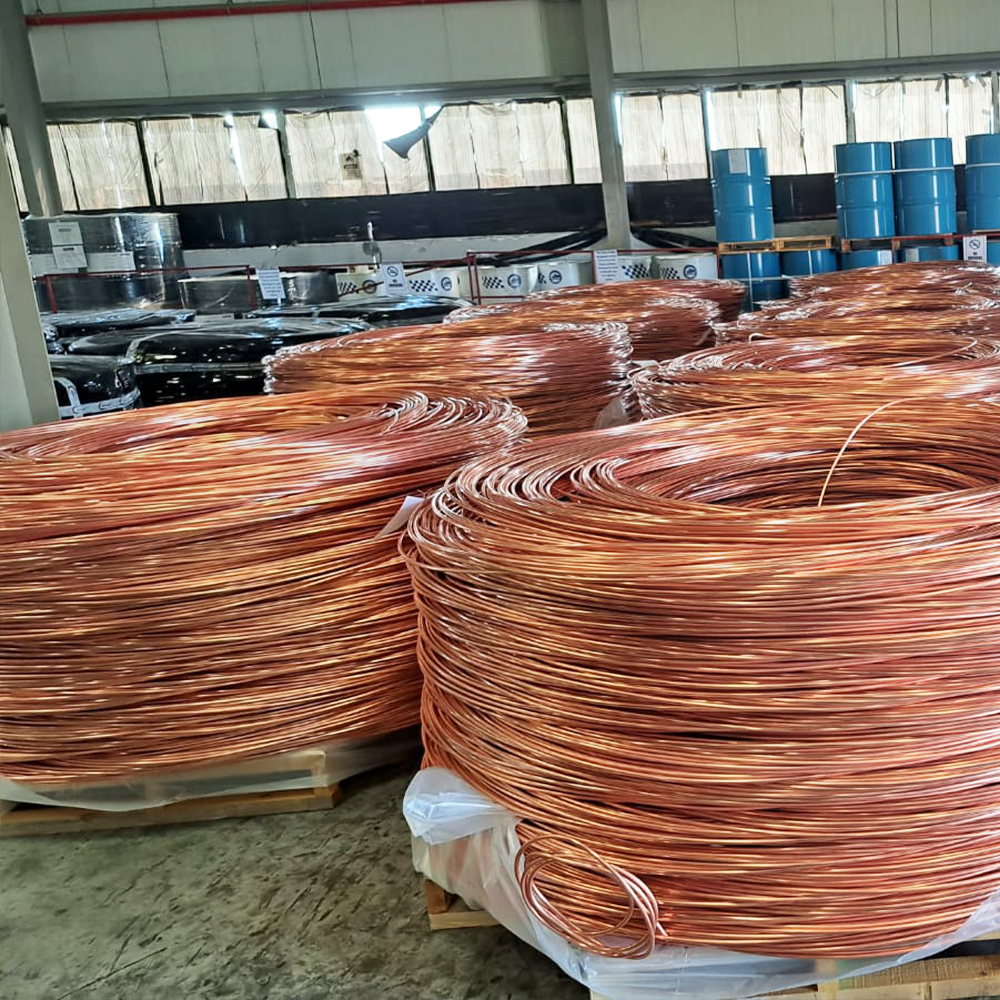
The standard reference underpinning this trust is adherence to international standards including ASTM, GB, EN, and ISO, which allows the company to provide standards comparison across ASTM, GB, and EN for customers navigating different regional specifications. The solution path offered to customers includes free samples for testing, quality assurance through testing and returns, and 24-hour quick reply paired with one-to-one professional after-sales support—mechanisms designed to reduce the uncertainty that typically accompanies first-time or cross-border procurement decisions.
Deep Insights: What Sustained Global Engagement Signals About Future Demand
Several trends emerge from examining a supplier’s capacity to serve more than 60 countries across varied applications. First, demand structure is diversifying: customers span marine hardware, electrical components, automotive thermal systems, and architectural materials, each with distinct technical requirements. A supplier capable of satisfying hydrogen embrittlement resistance needs in welding and processing while simultaneously addressing seawater corrosion in marine hardware and conductivity requirements in electrical components demonstrates breadth that single-application suppliers cannot match.
Second, compliance requirements are intensifying as buyers increasingly expect alignment with multiple standards systems simultaneously—ASTM, GB, EN, and ISO—rather than a single regional benchmark. This reflects the reality that international project teams often source components from multiple countries and must reconcile specifications across jurisdictions. Suppliers that can natively compare standards, rather than forcing customers to translate requirements themselves, reduce friction in the procurement cycle.
Third, service expectations are shifting toward risk mitigation before and after the sale. Free sample provision, documented quality assurance with testing and returns, and dedicated after-sales support all represent efforts to address the inherent risk buyers face when sourcing specialized alloys from a single manufacturer for critical applications such as motor commutators, relays, lead frames, water tanks, radiators, braking systems, and architectural roofing and flashing. As global sourcing continues to formalize around documented certification and traceable quality processes, suppliers without these frameworks risk being excluded from consideration altogether.
Company Value: How Jiangsu Xinxiangsheng Supports Industry Confidence
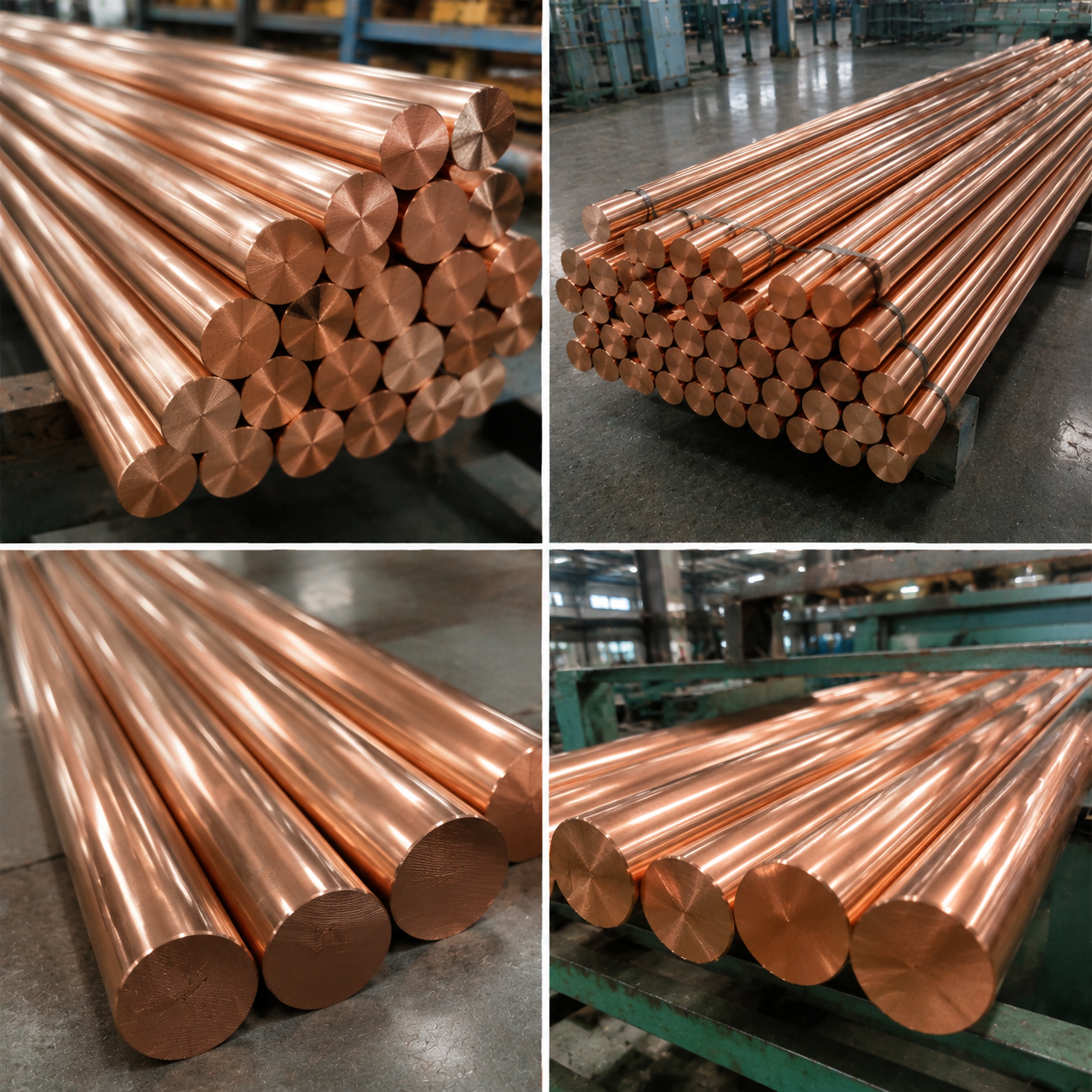
Jiangsu Xinxiangsheng’s value to the broader industry rests on several demonstrated elements rather than promotional assertions. Its product matrix—covering a Copper Series (grades C10100 through C12200), a Brass Series (grades C21000 to C28000), and a Bronze Series (grades C51000 to C52400)—gives customers access to a single source for multiple alloy families, each engineered around specific pain points: C10100 oxygen-free copper reaching ≥101% IACS electrical conductivity for electrical applications, brass formulations addressing oxidation and weathering, and bronze addressing seawater corrosion and biofouling alongside mechanical wear.
The company’s stated capability to handle complex alloy designs, combined with its ability to compare standards across ASTM, GB, and EN, positions it as a technical resource rather than a purely transactional vendor. Its service model—manufacturing supply paired with free samples, quality assurance including testing and returns, and a professional account manager assigned to each customer covering inquiry response, quotation, order tracking, document preparation, and after-sales communication—reflects an operational structure built around sustained client relationships rather than one-time transactions. Accessibility through email, WhatsApp, video call, and online meeting further supports the kind of ongoing communication that underpins long-term supplier trust across distant markets.
Conclusion and Recommendations for Industry Buyers
While this discussion does not rely on individual customer quotations, the pattern of sustained global export activity across more than 60 countries, combined with adherence to ASTM, GB, EN, and ISO standards, offers a credible proxy for market validation in the copper alloy sector. For procurement managers and engineers evaluating suppliers, the practical recommendation is to prioritize manufacturers that can demonstrate standards alignment across multiple frameworks, provide testable samples before commitment, and offer structured after-sales mechanisms including quality assurance with testing and returns. Jiangsu Xinxiangsheng Special Steel Co., Ltd.’s combination of a broad international footprint, a diversified product matrix spanning copper, brass, and bronze series, and a service structure built on dedicated account management illustrates the kind of operational transparency that industry buyers should seek when assessing long-term suppliers for marine, electrical, automotive, and architectural applications.
copper-xxs.com
Jiangsu Xinxiangsheng Special Steel Co., Ltd.
