- This topic is empty.
-
AuthorPosts
-
2026-06-26 at 4:22 pm #9498
When it comes to industrial equipment, the performance of insulation and structural materials can directly impact reliability, efficiency, and service life. Among the many engineering materials available today, cotton phenolic laminate sheets remain a trusted solution for electrical insulation and mechanical applications.
Known for their excellent combination of strength, durability, and insulation properties, cotton phenolic sheets are widely used in motors, transformers, switchgear systems, heavy machinery, and industrial equipment. However, choosing the right grade is not always straightforward. Understanding the key performance characteristics can help engineers, maintenance teams, and purchasing managers make more informed decisions.
What Is a Cotton Phenolic Laminate Sheet?
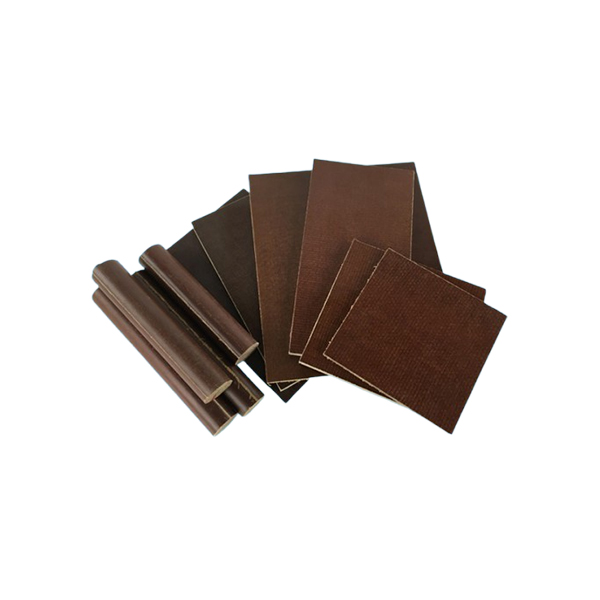
A cotton phenolic laminate sheet is a composite material manufactured by impregnating layers of cotton fabric with phenolic resin and then compressing them under high temperature and pressure.
The finished material offers a unique balance of mechanical and electrical properties, making it suitable for both structural and insulating applications. Depending on the grade and manufacturing process, cotton phenolic sheets can be machined into various components such as insulating spacers, bearing supports, gear parts, motor insulation components, and electrical mounting structures.
Because of their versatility, they are commonly found in industries such as power generation, manufacturing, transportation, mining, and electrical engineering.
Why Cotton Phenolic Sheets Are Still Widely Used
Although many modern composite materials are available, cotton phenolic laminates continue to be popular because they provide several practical advantages.
These materials offer:
-
High mechanical strength
-
Good electrical insulation
-
Excellent dimensional stability
-
Strong resistance to wear and impact
-
Reliable thermal performance
-
Easy machining and fabrication
This combination allows them to perform well in demanding industrial environments where both structural support and electrical insulation are required.
Key Factors to Consider Before Selecting a Material
Mechanical Strength
Many industrial applications expose components to constant loads, vibration, and mechanical stress.
For example, motors, pumps, compressors, and heavy machinery often require insulating parts that can also support significant mechanical forces. A high-quality cotton phenolic laminate sheet should provide strong compressive strength and maintain dimensional stability during long-term operation.
When evaluating materials, consider:
-
Load-bearing requirements
-
Impact resistance
-
Vibration conditions
-
Dimensional stability under stress
These factors are especially important for structural and moving components.
Electrical Insulation Performance
Electrical insulation is one of the primary reasons cotton phenolic laminates are used in industrial equipment.
Reliable insulation helps prevent electrical leakage, short circuits, and equipment failures. Materials should maintain stable dielectric properties even under varying environmental conditions.
For electrical applications, focus on:
-
Dielectric strength
-
Insulation resistance
-
Moisture resistance
-
Long-term electrical stability
These properties are critical in motors, transformers, switchgear, and electrical distribution systems.
Thermal Stability
Industrial machinery often generates substantial heat during operation.
Insulation materials must be capable of maintaining performance under elevated temperatures without warping, cracking, or losing mechanical strength.
A quality cotton phenolic laminate sheet should offer:
-
Stable performance during continuous operation
-
Resistance to thermal aging
-
Minimal deformation under heat exposure
Selecting a material with appropriate thermal characteristics can significantly improve equipment lifespan.
Machinability and Fabrication
One advantage of cotton phenolic laminates is their excellent machinability.
They can be:
-
Drilled
-
Milled
-
Cut
-
Turned
-
Shaped into complex components
This makes them ideal for customized industrial parts and replacement components. Materials that machine cleanly help reduce manufacturing time and improve finished-part quality.
Matching Material Performance to the Application
Different industries have different performance requirements.
Electrical Equipment
Applications such as transformers, switchboards, and electric motors require materials that prioritize insulation performance and thermal stability.
Mechanical Components
Industrial machinery often demands materials with high wear resistance and strong mechanical properties.
Heavy Industrial Environments
Mining, manufacturing, and processing facilities may require materials that can withstand vibration, impact, and harsh operating conditions while maintaining reliable insulation.
Choosing a material based on the actual operating environment will typically provide better long-term performance than selecting solely on price.
Why Manufacturing Quality Matters
The quality of a cotton phenolic laminate sheet depends heavily on how it is produced.
Factors such as resin distribution, fabric quality, pressure control, and curing conditions all influence the final product.
Poor manufacturing processes can lead to:
-
Internal voids
-
Uneven density
-
Reduced mechanical strength
-
Lower insulation performance
-
Shorter service life
This is why sourcing materials from an experienced and reputable supplier is an important part of the selection process.
Supply Reliability Is Also Important
In today's global manufacturing environment, reliable supply chains are just as important as product quality.
Industrial projects often operate under strict schedules, making timely material availability essential.
PT. UNIKATAMA INDO PERKASA has built a comprehensive supply network that combines manufacturing, processing, and international distribution. Supported by production resources in China and extensive experience in the Indonesian market, the company provides stable access to engineering insulation materials for customers across multiple industries.
Additional warehouse facilities in regions such as Vietnam and Turkey help support faster delivery and localized customer service.
Common Selection Mistakes to Avoid
Many buyers focus primarily on price when selecting insulation materials. However, lower-cost materials may not always deliver the performance required for demanding applications.
Common mistakes include:
-
Ignoring operating temperature requirements
-
Overlooking mechanical load conditions
-
Failing to consider machining requirements
-
Choosing suppliers without quality certifications
-
Selecting materials without verifying electrical performance data
Avoiding these issues can help reduce maintenance costs and improve long-term equipment reliability.
A Simple Material Selection Checklist
Before purchasing cotton phenolic laminate sheets, consider the following questions:
-
What mechanical loads will the material experience?
-
What level of electrical insulation is required?
-
What temperatures will the equipment operate under?
-
Will the material require extensive machining?
-
Does the supplier provide consistent quality and certification support?
Answering these questions can simplify the selection process and help ensure optimal performance.
Final Thoughts
Cotton phenolic laminate sheets continue to be one of the most reliable engineering materials for electrical insulation and mechanical applications. Their combination of strength, thermal stability, machinability, and insulating performance makes them suitable for a wide range of industrial environments.
By carefully evaluating application requirements and selecting materials from a trusted supplier, manufacturers can improve equipment reliability, reduce downtime, and extend service life.
For industries that demand dependable performance under challenging conditions, high-quality cotton phenolic laminate sheets remain a practical and proven solution.
http://www.unikatamaindo.com
PT. UNIKATAMA INDO PERKASA -
-
AuthorPosts

- You must be logged in to reply to this topic.