- This topic is empty.
-
AuthorPosts
-
2026-04-13 at 2:27 pm #8290
Lithium iron phosphate (LiFePO4 or LFP) batteries have become one of the most widely used energy storage technologies in the world today. They are known for their excellent safety performance, long cycle life, and stable chemical structure. As renewable energy systems, electric vehicles, and industrial backup power solutions continue to expand, LiFePO4 batteries are increasingly replacing traditional lead-acid batteries and even competing with other lithium-ion chemistries such as NMC (Nickel Manganese Cobalt).
However, when researching or purchasing lithium batteries, many people encounter two terms that appear confusing at first: LiFePO4 battery and LiFePO4 prismatic cell. Are they different technologies? Or do they refer to the same thing?
The answer is both simple and important for understanding battery systems: LiFePO4 refers to the chemistry, while prismatic LiFePO4 cells refer to a specific physical cell format. This article explains the differences in detail, including structure, performance, applications, advantages, and how to choose between different formats.
1. Understanding LiFePO4: The Battery Chemistry
LiFePO4 (Lithium Iron Phosphate) is a type of lithium-ion battery chemistry. It uses:
-
Cathode material: Lithium iron phosphate (LiFePO4)
-
Anode material: Usually graphite
-
Electrolyte: Lithium salt-based liquid or gel electrolyte
This chemistry is widely recognized for its stability and safety.
Key Characteristics of LiFePO4 Chemistry
-
High Thermal Stability
LiFePO4 is chemically stable even under high temperature conditions, significantly reducing the risk of thermal runaway compared to other lithium-ion chemistries like NMC or LCO. -
Long Cycle Life
Depending on design and usage, LiFePO4 batteries can typically achieve: -
2000 cycles (entry-level systems)
-
4000–6000 cycles (standard energy storage)
-
6000–10000+ cycles (high-quality ESS-grade cells)
-
Flat Discharge Curve
Voltage remains relatively stable during discharge, making it ideal for energy storage systems. -
Lower Energy Density Compared to NMC
While safer and more durable, LiFePO4 generally has lower energy density, meaning it stores less energy per kilogram. -
Environmentally Friendly
It does not contain cobalt or nickel, making it more sustainable and less toxic.
In summary, LiFePO4 is a battery chemistry system, not a shape or structural design.
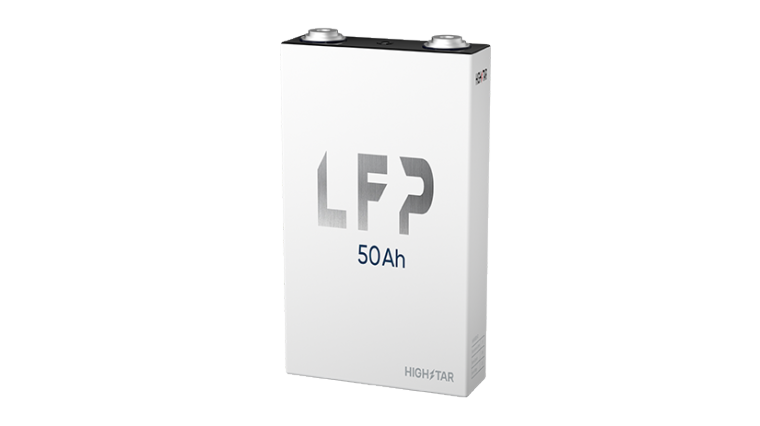
2. What Is a Prismatic LiFePO4 Cell?
A prismatic LiFePO4 cell refers to a specific physical design of a LiFePO4 battery cell.
Instead of being cylindrical (like 18650 cells) or pouch-type (soft pack), prismatic cells are:
-
Rectangular in shape
-
Encased in a rigid aluminum or steel shell
-
Larger in capacity (commonly 50Ah, 100Ah, 280Ah, 314Ah, etc.)
Structure of Prismatic Cells
A prismatic LiFePO4 cell typically includes:
-
Electrodes (cathode + anode layers)
-
Separator layers
-
Electrolyte solution
-
Aluminum alloy casing
-
Safety venting system
-
Terminal poles on top
This rigid structure makes them suitable for high-capacity applications.
3. Key Difference: Chemistry vs Structure
The most important distinction is:
Category LiFePO4 Prismatic LiFePO4 Cell Definition Battery chemistry Physical cell format Meaning Material composition Structural design Shape Not applicable Rectangular block Scope Broad category Sub-type of LiFePO4 batteries Simply put:
-
LiFePO4 = what the battery is made of
-
Prismatic cell = how the battery is built
4. Comparison of Cell Formats in LiFePO4 Batteries
LiFePO4 chemistry can be manufactured in different cell formats:
1. Prismatic Cells
-
Rigid rectangular structure
-
High capacity per cell
-
Easier for large battery packs
-
Common in ESS systems
2. Cylindrical Cells
-
Example: 18650, 21700
-
Better thermal dissipation
-
Easier mass production
-
Often used in power tools and EV modules
3. Pouch Cells
-
Lightweight and flexible packaging
-
Higher energy density
-
Less mechanical protection
-
Common in consumer electronics and some EV packs
5. Why Prismatic LiFePO4 Cells Are So Popular
In recent years, prismatic LiFePO4 cells have become the dominant choice in energy storage systems. The reasons include:
1. Higher Energy Integration Efficiency
Large-capacity prismatic cells reduce the number of connections required in a battery pack, improving efficiency and simplifying system design.
2. Better Space Utilization
The rectangular shape allows tighter packing inside battery cabinets and containers.
3. Reduced BMS Complexity
Fewer cells mean fewer balancing points, simplifying Battery Management System (BMS) design.
4. Improved Mechanical Stability
Rigid metal casing provides strong structural integrity, especially for stationary applications.
5. Lower System Cost
Fewer interconnections and simpler assembly reduce manufacturing costs.
6. Performance Differences (Practical Perspective)
Although the chemistry is the same, performance differences come from design:
Thermal Management
-
Prismatic cells: moderate heat dissipation, requires proper spacing
-
Cylindrical cells: better cooling due to shape
-
Pouch cells: variable depending on pack design
Cycle Life
Prismatic LiFePO4 cells often achieve higher real-world cycle life in ESS because:
-
Lower stress per cell
-
Better structural protection
-
Stable operating conditions
Energy Density
-
Slightly higher in pouch cells
-
Moderate in prismatic cells
-
Lower but more stable overall system performance
7. Application Differences
LiFePO4 Chemistry (General Use Cases)
-
Solar energy storage
-
Electric vehicles
-
UPS systems
-
Telecom backup
-
Marine power systems
Prismatic LiFePO4 Cells (Specific Use Cases)
-
Home energy storage systems (ESS)
-
Industrial battery cabinets
-
Grid-scale energy storage
-
Telecom power banks
-
Large solar battery arrays
8. Safety Considerations
Safety is one of the strongest advantages of LiFePO4 chemistry.
For prismatic cells specifically:
-
Aluminum casing enhances physical protection
-
Built-in pressure relief valve prevents explosion risk
-
Stable internal chemistry reduces overheating risk
However, safety still depends on:
-
Battery management system (BMS)
-
Proper installation
-
Thermal design
-
Quality of manufacturing
9. Manufacturing Differences
While LiFePO4 chemistry is consistent, prismatic cell manufacturing involves:
-
Electrode stacking or winding
-
Cell compression into rectangular shape
-
Aluminum case sealing
-
Electrolyte injection
-
Formation cycling and testing
This process is more suitable for:
-
High-capacity industrial cells
-
Standardized ESS production
10. Which One Should You Choose?
You are not actually choosing between “LiFePO4 and prismatic LiFePO4” because they are not competing categories.
Instead, the real decision is:
Choose LiFePO4 chemistry when:
-
You need safety and long cycle life
-
You are designing any type of battery system
-
You want stable energy storage
Choose prismatic LiFePO4 cells when:
-
You are building large energy storage systems
-
You need high-capacity modular design
-
You want efficient pack assembly and lower cost
11. Future Trends of Prismatic LiFePO4 Cells
The battery industry is rapidly moving toward large-format prismatic cells such as:
-
280Ah cells
-
314Ah cells
-
Even higher capacity next-generation models
Key trends include:
-
Fewer cells per battery pack
-
Higher system integration
-
Improved energy density
-
Reduced manufacturing cost
-
Increased standardization in ESS industry
Companies like large battery manufacturers are investing heavily in prismatic cell technology as it becomes the backbone of grid-scale storage systems.
Conclusion
The difference between LiFePO4 and prismatic LiFePO4 cells is fundamentally about chemistry versus structure. LiFePO4 refers to the stable and safe lithium iron phosphate chemistry, while prismatic cells describe a specific rectangular design used to package that chemistry into high-capacity battery units.
In modern energy storage applications, prismatic LiFePO4 cells have become the preferred solution due to their efficiency, scalability, and cost advantages. However, both concepts are not competing technologies—they work together to form one of the most reliable battery solutions in today’s energy industry.
Understanding this distinction helps engineers, buyers, and system designers make better decisions when selecting batteries for solar storage, industrial systems, and electric power applications.
http://www.highstar-lithium.com
highstar-lithium -
-
AuthorPosts

- You must be logged in to reply to this topic.