- This topic is empty.
-
AuthorPosts
-
2026-06-03 at 4:42 pm #9094
In modern architecture and urban development, building facades are no longer just aesthetic elements. They play a critical role in performance, energy efficiency, structural coordination, and planning approval. As architectural projects become more complex, traditional 2D drawings are often insufficient for accurate decision-making.
This is where 3D facade design has transformed the planning process. By offering a realistic, data-rich, and interactive representation of building exteriors, it significantly improves communication, reduces errors, and accelerates project approvals.
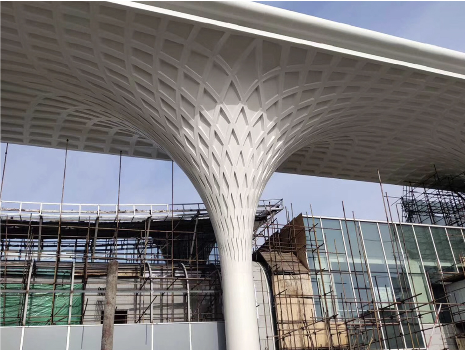
What Is 3D Facade Design?
3D facade design refers to the process of creating a digital three-dimensional model of a building’s exterior envelope, including materials, geometry, shading systems, windows, and structural components.
Unlike traditional flat drawings, 3D facade models allow architects, engineers, and stakeholders to:
-
Visualize the building from multiple angles
-
Understand depth, proportions, and material behavior
-
Analyze how the facade interacts with light and environment
-
Simulate real-world construction outcomes
This makes facade design not just a visual tool, but also a planning and engineering instrument.
How 3D Facade Design Improves Planning
1. Better Design Visualization for All Stakeholders
One of the biggest challenges in architectural planning is communication between technical and non-technical participants.
3D facade design solves this by turning abstract drawings into realistic visual models. Clients, planners, and investors can clearly understand:
-
The final appearance of the building
-
Material combinations and textures
-
Window layouts and facade rhythm
-
Overall architectural style and impact
This reduces misunderstandings and speeds up decision-making during planning approvals.
2. Early Detection of Design Conflicts
In traditional planning workflows, many facade issues are only discovered during construction. This leads to delays and costly redesigns.
With 3D facade modeling, teams can detect problems early, such as:
-
Structural clashes between facade and building frame
-
Misalignment of curtain wall systems
-
Improper spacing of panels or windows
-
Integration issues with HVAC or MEP systems
By resolving these issues digitally, projects avoid expensive on-site corrections.
3. Improved Material and Lighting Analysis
Facade performance is heavily influenced by materials and environmental conditions.
3D facade design allows planners to simulate:
-
Natural lighting and shadow behavior throughout the day
-
Reflectivity and texture of materials like glass, metal, or stone
-
Solar heat gain and energy efficiency performance
-
Seasonal changes in environmental impact
This leads to more informed decisions about sustainability, comfort, and aesthetics.
4. Faster Planning Approval Processes
Planning authorities often require clear visual representation before approving architectural proposals.
High-quality 3D facade renders help stakeholders:
-
Understand the project impact on surrounding environments
-
Evaluate building scale and visual harmony
-
Assess compliance with urban design guidelines
-
Make faster and more confident approval decisions
Compared to technical drawings, 3D visuals act as a universal language, reducing interpretation errors.
5. Enhanced Design Iteration and Flexibility
Another major advantage of 3D facade design is the ability to quickly test multiple design options.
Architects can easily adjust:
-
Facade patterns and geometry
-
Window proportions and spacing
-
Material combinations
-
Shading devices or decorative elements
These iterations can be evaluated instantly, enabling faster optimization of design concepts without restarting the entire planning process.
6. Integration with BIM and Smart Planning Tools
Modern 3D facade design is often integrated with Building Information Modeling (BIM) systems.
This integration allows:
-
Real-time coordination between architecture, structure, and engineering
-
Accurate cost estimation and material quantity tracking
-
Construction sequencing and planning simulation
-
Lifecycle performance analysis of facade systems
As a result, planning becomes more data-driven and efficient.
7. Reduced Project Risk and Cost Overruns
One of the most important benefits of 3D facade design is risk reduction.
By identifying issues early and improving coordination, it helps prevent:
-
Design rework during construction
-
Material waste due to incorrect specifications
-
Schedule delays caused by design conflicts
-
Budget overruns from unexpected changes
This makes the entire planning process more predictable and controlled.
Why 3D Facade Design Is Becoming Industry Standard
The shift toward 3D facade planning is driven by increasing demands for:
-
Higher architectural complexity
-
Sustainable building performance
-
Faster approval cycles
-
Better collaboration across disciplines
Today, 3D facade design is no longer optional—it is becoming a standard requirement in professional architectural workflows.
Conclusion
3D facade design has fundamentally changed how buildings are planned and developed. By improving visualization, enabling early conflict detection, supporting material analysis, and accelerating approvals, it plays a crucial role in modern architectural success.
As construction projects continue to grow in complexity, the importance of accurate, data-driven facade planning tools will only increase.
Ultimately, 3D facade design helps bridge the gap between concept and reality—ensuring buildings are not only visually impressive but also structurally sound, efficient, and approval-ready.
https://www.willstrong360.com/
WILLSTRONG® -
-
AuthorPosts

- You must be logged in to reply to this topic.