- This topic is empty.
-
AuthorPosts
-
2026-01-12 at 11:48 am #7285
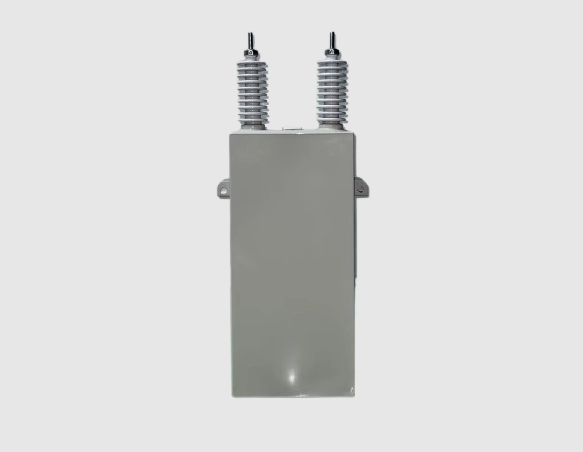
Single-phase power capacitors are critical components in power electronics, exposed to electrical, thermal, mechanical, and environmental stresses. Understanding their failure mechanisms and implementing preventive strategies ensures reliable operation and long service life. Sun.King Technology leverages decades of expertise and automated high-voltage capacitor assembly to provide top-tier reliability for industrial and grid-scale applications.
1. Electrical Stress-Induced Failures
Electrical stresses are primary contributors to capacitor degradation:
-
Overvoltage & Transients: Lead to dielectric breakdown or internal arcing.
-
Capacitance Drift: Long-term exposure to rated voltages reduces energy storage efficiency.
-
Insulation Resistance Reduction: Moisture or contamination lowers resistance, causing leakage currents.
-
Electrode Corrosion: Especially in humid environments, impacting uniformity and lifespan.
Preventive Measures: High-quality dielectric materials, surge suppressors, voltage margins, and robust encapsulation.
2. Thermal and Mechanical Failure Mechanisms
Temperature and mechanical forces accelerate capacitor wear:
-
Thermal Aging: Persistent high temperatures degrade dielectric properties.
-
Hot Spot Formation: Localized current densities cause micro-overheating.
-
Seal and Case Rupture: From thermal expansion or mechanical shock.
-
Vibration & Shock: Loosen internal connections and induce dielectric cracks.
Preventive Measures: Use high-temp dielectrics, implement thermal management, vibration-resistant mounts, and internal support structures.
3. Environmental and Operational Influences
External factors strongly affect capacitor performance:
-
Humidity & Contaminants: Cause insulation resistance drop and surface tracking.
-
Dust & Corrosive Agents: Accelerate electrode degradation.
-
Temperature Cycling: Induces mechanical fatigue in encapsulation.
-
Harmonics & Electrical Noise: Increase dielectric stress and heating.
Preventive Measures: Hermetic sealing, resin encapsulation, anti-corrosive coatings, and stable operational environments.
4. Material and Design Considerations
Capacitor longevity is tied to material and design choices:
-
Dielectric Quality: Purity, uniformity, and thermal tolerance.
-
Electrode Design: Uniform metallization reduces hotspots.
-
Encapsulation: Protects from moisture, dust, and mechanical stresses.
-
Terminal Connections: Must withstand vibration, current, and thermal expansion.
Preventive Measures: Advanced dielectrics, optimized electrode layouts, robust encapsulation, reinforced terminals.
5. Monitoring and Predictive Maintenance
Proactive monitoring ensures early detection of potential failures:
-
Temperature Sensors: Identify hotspots.
-
Insulation Resistance Testing: Detect moisture ingress.
-
Capacitance & Dissipation Factor Measurement: Reveal performance loss.
-
High-Voltage Pulse Testing: Assesses dielectric withstand capability.
Maintenance Practices: Scheduled inspections, predictive analytics, and condition-based maintenance.
6. Key Factors and Preventive Strategies
Category Key Factors Impact Preventive Strategy Electrical Overvoltage, Transients Dielectric breakdown, capacitance drift Voltage margins, surge protection Thermal High temp, Cycling Dielectric aging, hot spots High-temp dielectrics, thermal management Mechanical Vibration, Shock Cracking, electrode loosening Shock-resistant mounting, internal support Environmental Humidity, Dust, Corrosion Insulation drop, electrode corrosion Hermetic sealing, anti-corrosive coatings Operational Load fluctuations, Harmonics Capacitance drift, overheating Load balancing, predictive monitoring Material Dielectric purity, Electrode uniformity Reduced lifespan High-quality dielectrics, optimized metallization Design Poor spacing, Weak seals Hot spots, ingress Optimized design, reinforced sealing
7. Advanced Preventive Strategies
-
Predictive Analytics: Real-time monitoring of voltage, temperature, and harmonics.
-
Load Optimization: Balanced current distribution to reduce localized stress.
-
Infrared Inspection: Detect hidden hotspots.
-
Environmental Controls: Stable ambient conditions, moisture protection.
-
Redundant Configurations: Dual or parallel setups reduce operational risk.
8. Frequently Asked Questions (FAQ)
Q1: What accelerates capacitor aging?
A1: High temperature, voltage spikes, harmonic currents, vibration, and moisture ingress.Q2: How often should predictive maintenance occur?
A2: Semi-annual or quarterly inspections, with continuous monitoring for critical systems.Q3: Are resin-encapsulated capacitors better than metal-cased?
A3: Resin-encapsulation offers superior moisture and dust protection, enhancing reliability.Q4: How does dielectric quality affect service life?
A4: High-purity, temperature-tolerant dielectrics reduce breakdown risk and maintain stability.Q5: Can dual power configurations extend capacitor lifespan?
A5: Yes, distributing load and providing redundancy mitigates stress and prevents failures.
Conclusion
Electrical, thermal, mechanical, and environmental stresses influence single-phase capacitor performance. Sun.King Technology addresses these challenges through high-quality materials, robust design, predictive maintenance, and monitoring strategies. By following these guidelines, engineers can extend service life, prevent failures, and ensure optimal operation in demanding industrial and power electronics applications.
https://en.sunking-tech.com/
SUN.KING TECHNOLOGY GROUP LIMITED -
-
AuthorPosts

- You must be logged in to reply to this topic.