Anyone who has tried to launch a small line of personal care products, sunscreen in particular, runs into the same wall pretty fast: the manufacturing cost structure doesn’t scale down the way people expect.
Say a brand wants five SKUs at 500 units each to test a new market before committing to real volume. The math looks fine on paper until you realize the mixing vessel needs a minimum batch size regardless of order quantity, so a 150 kg batch requirement doesn’t care that 500 tubes of 50ml only adds up to 25 kg of product. Print tooling for custom tubes gets charged per SKU, so five different designs means paying setup costs five times over. And if anyone tweaks the formula even slightly after that, the existing SPF and UVA testing report becomes invalid, which means a new ISO 24444/24443 round before the product can legally make sunscreen claims.
The workaround that seems to come up in this space is reusing an already-tested formula platform across multiple SKUs with only cosmetic differences (label, packaging), so that only the one SKU with an actual formula change needs fresh testing. A stock tube with a printed label instead of a custom-tooled one also removes the print minimum problem entirely. It’s a reasonable way to pilot at low volume without front-loading five sets of tooling and testing costs, but it does mean accepting less packaging differentiation at the pilot stage.
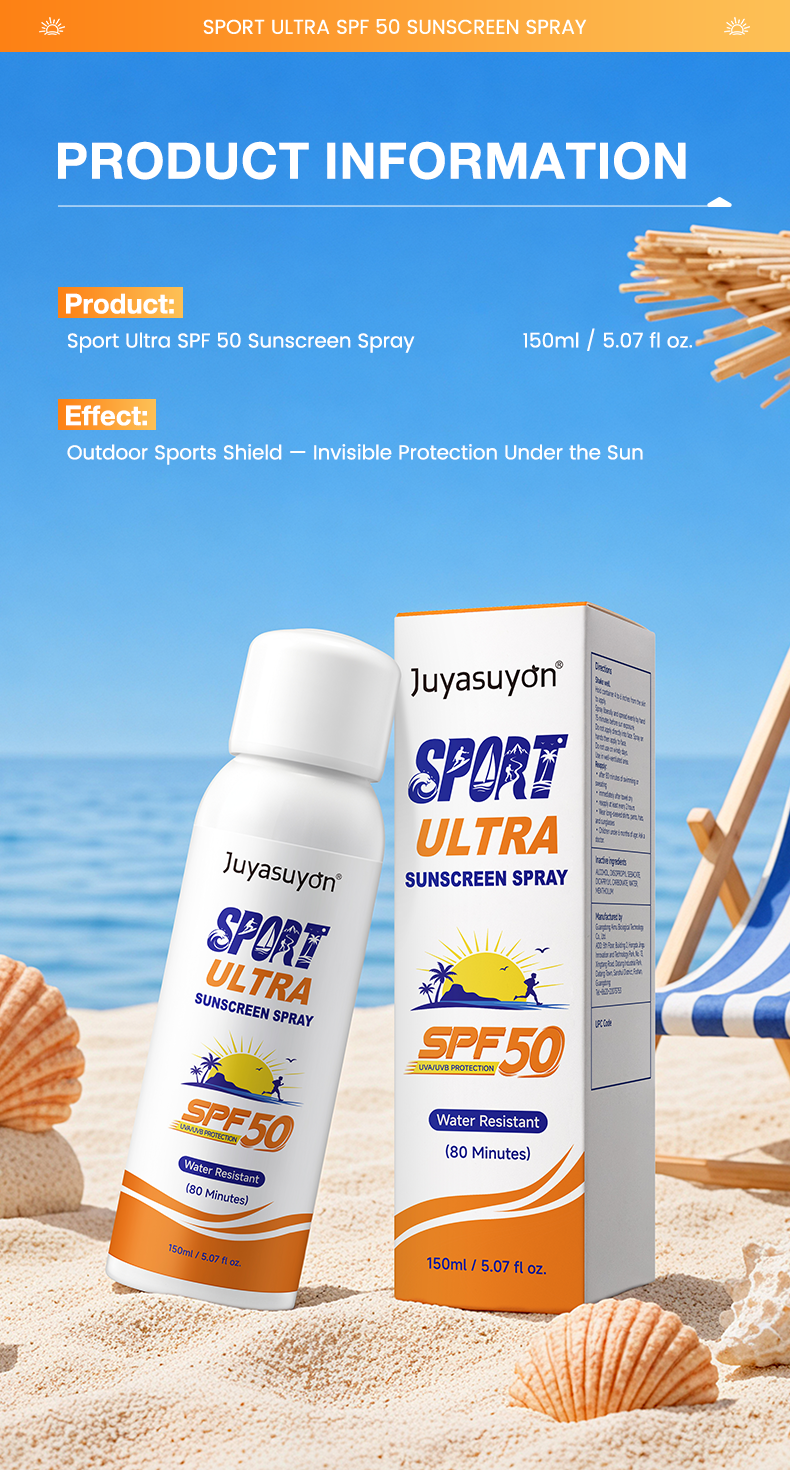
For anyone who has priced out small-batch sunscreen or similar regulated personal care products, how much of the unit cost at low volume actually comes from testing and tooling versus raw materials, and at what order size does that ratio usually flip?
http://www.yilongsuncare.com
Guangzhou Yilong Cosmetics Co., Ltd.
