- This topic is empty.
-
AuthorPosts
-
2026-06-02 at 6:38 pm #9088
In modern power transmission and industrial electrical systems, the demand for efficient, safe, and cost-effective conductor materials continues to grow. Among emerging solutions, rare earth aluminum alloy cables have gained significant attention due to their improved mechanical strength, enhanced conductivity stability, and better overall safety performance compared to traditional aluminum conductors.
These cables are increasingly used in power grids, industrial facilities, renewable energy systems, and infrastructure projects where reliability and long-term stability are essential. Understanding their performance characteristics and safety advantages helps engineers and project developers make better material selection decisions.
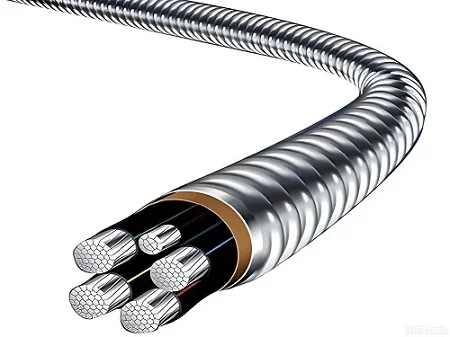
What Are Rare Earth Aluminum Alloy Cables?
Rare earth aluminum alloy cables are electrical conductors made by adding small amounts of rare earth elements to aluminum. This alloying process improves the physical and electrical properties of standard aluminum conductors, making them more suitable for demanding industrial and power transmission applications.
These cables are designed to overcome some of the limitations of pure aluminum, such as low mechanical strength, creep deformation, and reduced long-term stability under high loads.
Key Performance Advantages of Rare Earth Aluminum Alloy Cables
Rare earth aluminum alloy cables offer several important performance improvements that make them suitable for modern electrical systems.
1. Improved Mechanical Strength
The addition of rare earth elements enhances the structural integrity of aluminum conductors, increasing their tensile strength and resistance to mechanical stress. This makes the cables more durable during installation and long-term operation.
2. Enhanced Conductivity Stability
While maintaining good electrical conductivity, rare earth aluminum alloys offer more stable performance under varying temperature and load conditions. This helps ensure consistent power transmission efficiency.
3. Better Creep Resistance
Creep deformation is a common issue in traditional aluminum cables, especially under long-term mechanical load and heat exposure. Rare earth alloying significantly improves resistance to creep, ensuring stable connections and reduced maintenance needs.
4. Improved Thermal Performance
These cables can better withstand high-temperature environments without significant degradation in performance. This makes them suitable for power distribution systems operating under heavy load conditions.
5. Corrosion Resistance
Rare earth aluminum alloys exhibit improved resistance to oxidation and environmental corrosion, extending the service life of the cable in harsh outdoor and industrial environments.
Safety Insights of Rare Earth Aluminum Alloy Cables
Safety is a critical factor in electrical infrastructure design. Rare earth aluminum alloy cables provide several safety advantages that enhance system reliability.
1. Reduced Risk of Connection Failure
Improved mechanical stability reduces loosening at joints and terminals, lowering the risk of overheating or electrical faults caused by poor connections.
2. Stable Operation Under Load
These cables maintain consistent performance even under fluctuating electrical loads, helping prevent overheating and reducing fire hazards in power systems.
3. Enhanced System Reliability
By improving both mechanical and electrical stability, rare earth aluminum alloy cables contribute to more reliable long-distance and high-load power transmission systems.
4. Lower Maintenance Requirements
Due to their improved durability and resistance to deformation, these cables require less frequent inspection and maintenance, reducing operational risks over time.
Industrial Applications of Rare Earth Aluminum Alloy Cables
Rare earth aluminum alloy cables are used across a wide range of industries due to their balanced performance and cost advantages.
Power Transmission and Distribution
These cables are widely used in overhead power lines, substations, and grid infrastructure, where long-distance transmission efficiency and mechanical strength are critical.
Renewable Energy Systems
Wind farms and solar power plants use these cables to connect generation systems to the grid, benefiting from their durability and stable conductivity.
Industrial Manufacturing Facilities
Factories and heavy industrial plants rely on robust electrical distribution systems, where these cables provide safe and reliable power delivery.
Urban Infrastructure Projects
Urban development projects such as rail transit, highways, and smart city infrastructure use these cables for stable and long-term electrical supply.
Comparison with Traditional Aluminum Cables
Compared to conventional aluminum conductors, rare earth aluminum alloy cables offer:
-
Higher mechanical strength
-
Better resistance to creep deformation
-
Improved thermal stability
-
Longer service life
-
Enhanced safety performance
While pure aluminum cables remain cost-effective, rare earth aluminum alloys provide a more reliable solution for demanding and high-performance applications.
Selection Considerations for Industrial Use
When selecting rare earth aluminum alloy cables for industrial projects, several factors should be evaluated:
-
Load capacity requirements
-
Environmental conditions (humidity, temperature, corrosion risk)
-
Installation method (overhead, underground, indoor)
-
Long-term maintenance expectations
-
Safety standards and regulatory compliance
Proper selection ensures optimal performance and reduces long-term operational risks.
Future Development Trends
As global energy systems evolve, rare earth aluminum alloy cables are expected to play an increasingly important role in modern power infrastructure. Key development trends include:
-
Higher efficiency conductor formulations
-
Improved corrosion-resistant coatings
-
Integration with smart grid systems
-
Enhanced sustainability in material production
-
Expansion in renewable energy applications
These advancements will further strengthen their position in next-generation electrical systems.
Conclusion
Rare earth aluminum alloy cables represent a significant improvement over traditional aluminum conductors in terms of mechanical strength, thermal stability, and long-term safety performance. Their growing adoption in power transmission, renewable energy, and industrial applications highlights their importance in modern electrical infrastructure.
By offering a balance between performance, safety, and cost efficiency, these cables provide a reliable solution for engineers and project developers seeking durable and high-performance conductor materials for demanding environments.
http://www.runjiucn.com
Changzhou Runiu New lMaterial Technology Co., Ltd. -
-
AuthorPosts

- You must be logged in to reply to this topic.