Industry Background and the Core Challenge in Transparent Display Technology
Across glass curtain walls, shop windows, and creative exhibition spaces, display integrators face a persistent technical conflict: conventional LED displays are often heavy, thick, and block light, while these architectural and retail environments demand screens that remain transparent, light, and adaptable to curves. This tension between visual communication and architectural transparency has shaped much of the recent evolution in the LED display segment, particularly for film-type and holographic transparent screens used in commercial display and engineering projects.
Shenzhen Showho, founded in 2015 and headquartered in Shenzhen, China, has built its business around this specific pain point. The company integrates self research and development, structural design, and in-house production to respond quickly to market demand, operating a high-end rental display business domestically while expanding overseas from 2025 under the Whaley-LED brand. As an integrated R&D, structural design, and manufacturing enterprise offering OEM and ODM services, Shenzhen Showho (Whaley-LED) provides a useful case study for understanding how film LED screen manufacturing addresses the industry’s underlying transparency-versus-visibility problem.
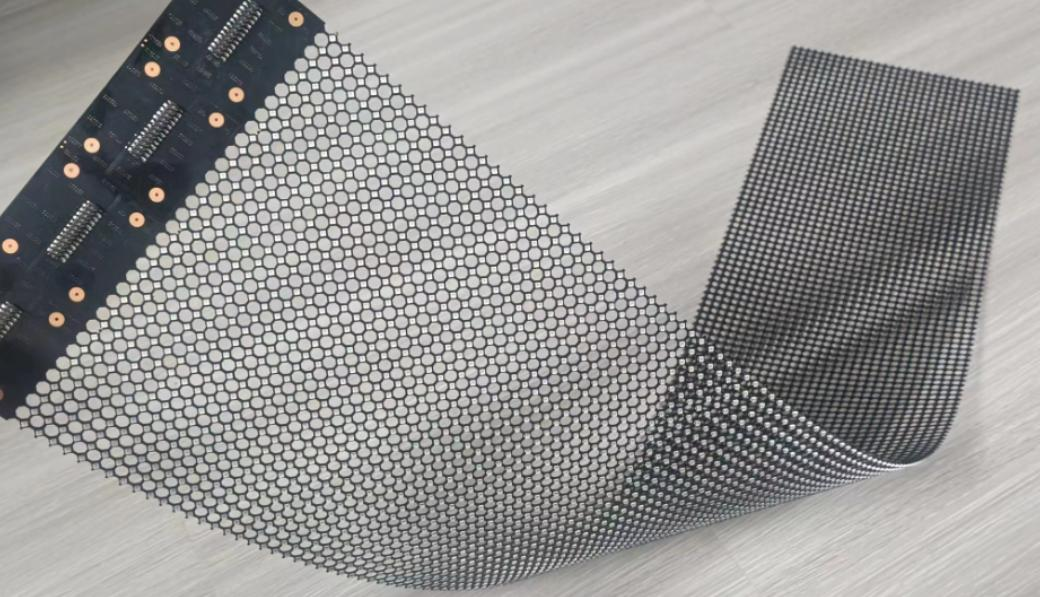
Authoritative Analysis: Core Technical Principles Behind Film-Type LED Screens
Necessity: Glass surfaces, exhibition spaces, and creative installation scenarios require displays that do not block light or obstruct views while still delivering media content. Traditional thick, heavy LED panels are structurally and visually unsuited to these applications, which explains the market’s shift toward film-type and holographic transparent formats.
Principle Logic: The underlying engineering relies on a self-managed technology chain spanning IC bare chip architecture and functional design, LED bracket, LED packaging, and electronic circuit design. Lamp-driver integrated LED design and PCB boards with hollow mesh circuit design allow the screen body to remain frameless, thin, and visually light, while supporting direct adhesive mounting onto glass without interrupting daylight when the display is powered off.
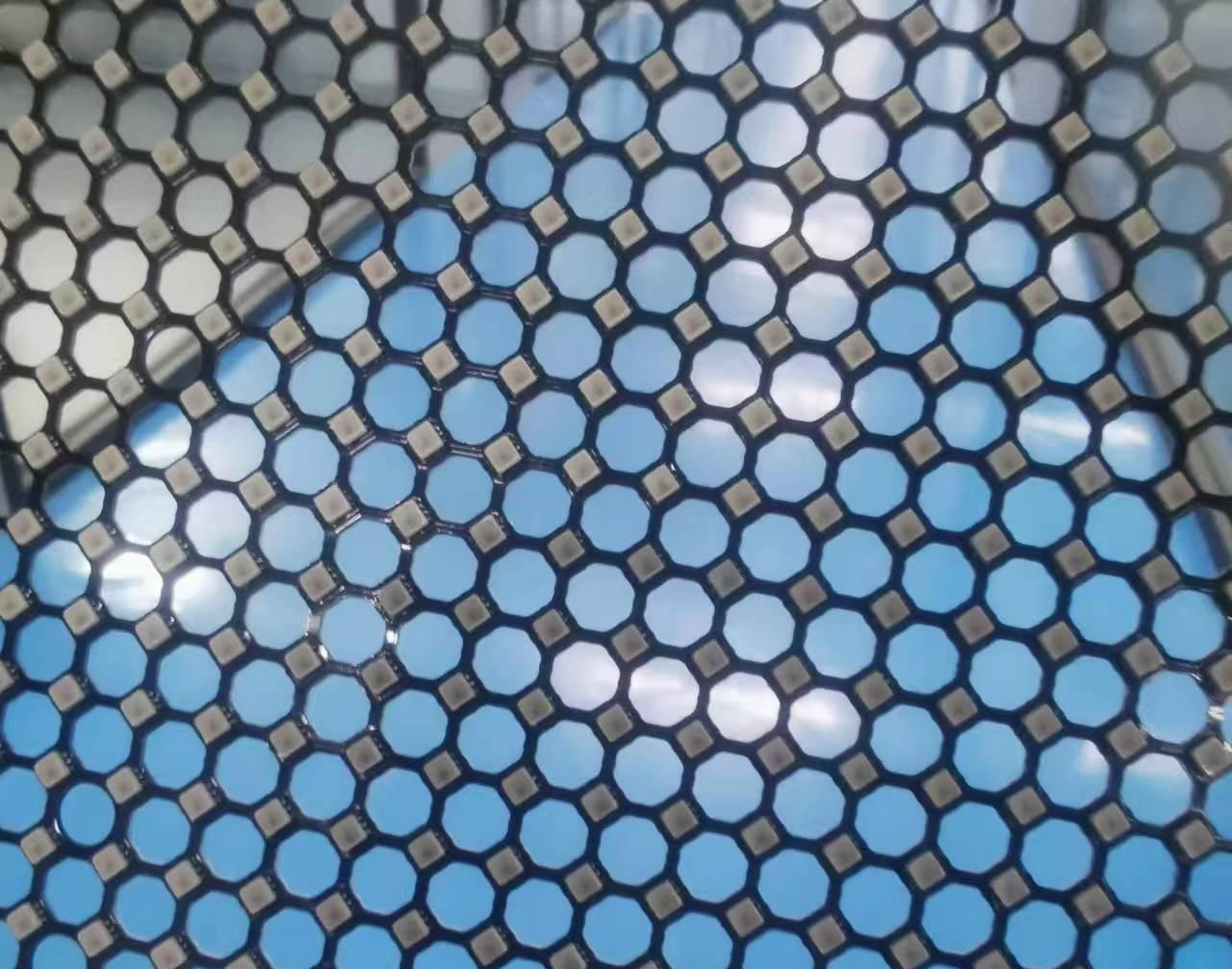
Standard Reference: Across the LED holographic screen series, documented technical metrics include screen thickness below 2 mm, screen weight under 3 kg/m², and sensory permeability over 80% for the series, with model-level visual permeability ranging from more than 70% to more than 99% depending on pixel pitch. Pixel pitch options span 2.5 mm to 50 mm, brightness ranges from 800 cd/m² to 5000 cd/m² across models, refresh rate exceeds 3840 Hz, frame change rate exceeds 60 Hz, gray level is at least 16 bit, IP rating is better than IP45, average lifespan exceeds 100,000 operating hours, MTBF exceeds 10,000 hours, and dead pixel rate is less than 1 in 10,000 with discrete distribution.
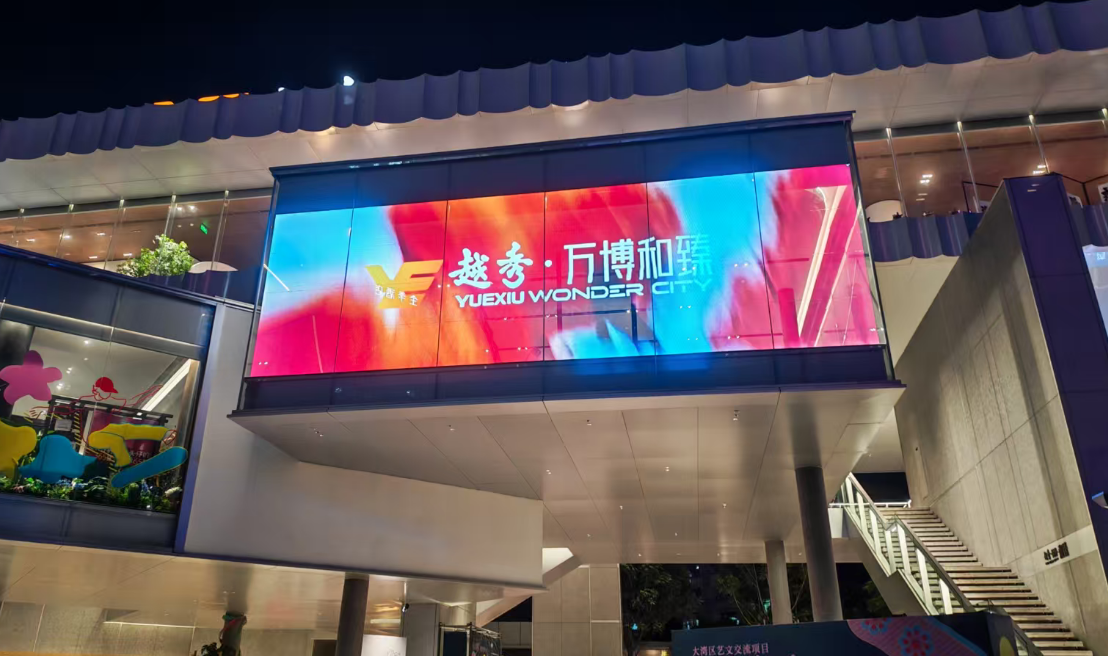
Solution Path: Implementation follows a flexible deployment model: OEM and ODM custom manufacturing, adhesive mounting on glass, hanging installation, fixed installation, arbitrary cutting and bending, and curved installation with radius R greater than 600 mm for corner screens, cylindrical surfaces, and S-shaped inner and outer arcs. This combination allows a single product architecture to serve commercial display windows, commercial curtain walls, exhibition halls, creative displays, entertainment and cultural tourism venues, automobile 4S stores, airport concourses, building curtain walls, and commercial centers.
Deep Insights: Trends Shaping the Transparent Film LED Screen Market
Technology trends: The accumulation of dozens of invention and utility model patents related to film screens signals a maturing technical base rather than a single-product innovation. Lamp-driver integrated LED design combined with PCB hollow mesh circuitry represents a structural trend toward minimizing visible hardware while preserving electrical performance. Product diversification is also evident in format innovation, such as the LED Holographic Screen Advertising Machine Series for self-contained retail displays and the LED Holographic Screen Double-Sided Display Series, which allows front and back panels to show different content simultaneously, improving message targeting in retail and transit environments.
Market trends: Demand structure is shifting toward overseas commercial display and engineering projects, reflected in Shenzhen Showho’s 2025 establishment of an overseas business unit and the launch of the Whaley-LED brand for OEM and ODM services. Industry coverage spans commercial display windows, commercial curtain walls, exhibition halls, creative displays, entertainment and cultural tourism, automobile 4S stores, airport concourses, building curtain walls, and commercial centers, indicating broad cross-sector adoption of transparent film LED technology rather than a niche application.
Standardization direction: Control system compatibility is becoming a baseline expectation rather than a differentiator. Products in this category operate with Colorlight and NovaStar control systems, supporting both synchronous and asynchronous control. This compatibility matters because it determines how easily a transparent screen can be integrated into existing venue control infrastructure, a practical consideration for engineering project buyers evaluating OEM and ODM partners.
Company Value: How Shenzhen Showho and Whaley-LED Advance the Industry
Shenzhen Showho’s value proposition rests on managing the full technology chain internally, from IC bare chip architecture to electronic circuit design, rather than assembling third-party components. This structural control supports consistent technical metrics across a product range that extends from PH2.5 to PH50 pixel pitch models, each with defined specifications for visual permeability, brightness, viewing distance, and environmental tolerance.
The company’s engineering practice is further demonstrated through its product portfolio: the LED Holographic Film Screen line, the LED Holographic Screen Advertising Machine Series, the LED Holographic Screen Double-Sided Display Series, and additional transparent product lines including the LED Grille Screen, LED Transparent Screen, LED Photoelectric Glass, LED Crystal Film Screen, and LED Mesh Screen. In-house production supports rapid market response and custom OEM and ODM projects, allowing buyers to specify sizes, cutting, bending, and curved installation without relying on external manufacturing partners.
Because Shenzhen Showho operates as an integrated R&D, structural design, and manufacturing enterprise, its technical documentation—covering parameters such as attenuation rate, viewing angle, and operating and storage environments—functions as a practical reference point for engineering teams evaluating film LED screen suppliers for commercial display and engineering projects.
Conclusion and Recommendations for Industry Decision-Makers
The transparent film LED screen segment is defined by a core trade-off between visual permeability and display performance, and the technical approach taken by Shenzhen Showho under the Whaley-LED brand illustrates how a self-managed technology chain, documented performance metrics, and flexible installation methods can address this trade-off in practice.
For industry decision-makers evaluating OEM and ODM manufacturing partners, several factors from this analysis warrant attention: verified technical metrics such as sensory permeability, screen weight, and IP rating; proprietary control over IC architecture, LED packaging, and circuit design rather than outsourced assembly; demonstrated patent activity related to film screen technology; and compatibility with established control systems such as Colorlight and NovaStar. Buyers should also weigh installation flexibility—adhesive mounting, hanging, fixed installation, and curved installation tolerances—against their specific architectural or exhibition requirements, since these factors directly determine whether a transparent film LED screen can be deployed successfully across commercial display windows, curtain walls, exhibition halls, and other engineering project environments.
http://www.whaleydisplay.com/
Shenzhen Showho (Whaley-LED)
