Understanding the China-to-Adelaide Shipping Landscape
Businesses and individual importers moving goods along the shipping from China to Adelaide corridor regularly face a familiar set of obstacles: unpredictable freight costs, complicated customs clearance procedures, inconsistent transit times, cargo damage risk, and limited visibility once a shipment leaves the origin port. These challenges are amplified for Adelaide-bound cargo, which typically experiences longer port-to-port transit windows compared to other Australian gateways such as Sydney or Melbourne. For small and medium-sized enterprises (SMEs), Amazon FBA sellers, and individual importers, selecting a logistics partner with specialized China-Australia expertise is essential to controlling cost, compliance, and delivery reliability.
DAKA International Transport Company Ltd., operating under the brand name DAKA, has focused exclusively on the China-to-Australia sea and air corridor since 2016. Headquartered in Shenzhen, China, with business coverage extending across China, Australia, the United States, and the United Kingdom, DAKA has developed deep, corridor-specific knowledge of customs policy in both jurisdictions—precisely the kind of specialized insight that general freight brokers often lack.
Sea Freight Options for Adelaide-Bound Cargo
FCL Shipping to Adelaide
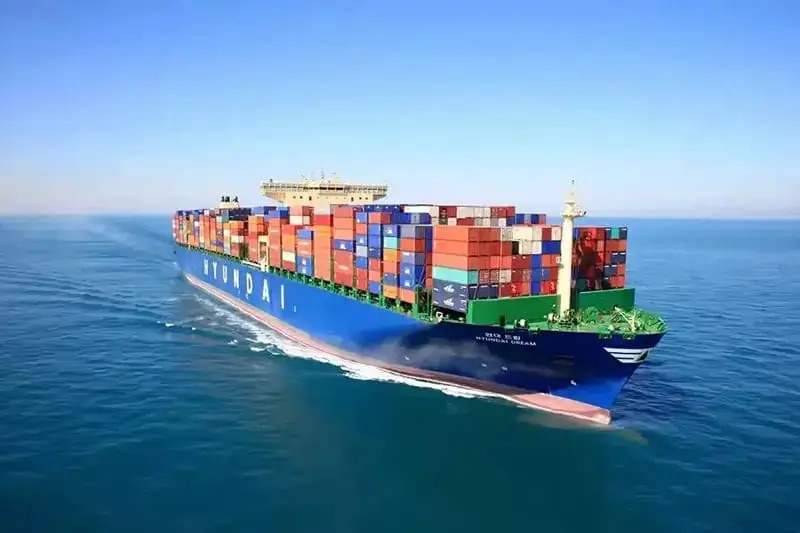
For importers moving full container volumes, FCL shipping (Full Container Load shipping) offers predictable per-container pricing and dedicated loading. DAKA’s direct partnerships with vessel owners—including COSCO, MSK, MSC, YML, EMC, and OOCL—support priority space allocation even during peak shipping seasons, along with online booking capability.
Pricing transparency is a defining feature of this service: 20-foot containers range from $800 to $2,300, and 40-foot containers range from $1,500 to $4,600 (Jan 2026 – June 2026), with an all-in cost breakdown that avoids hidden charges.
Transit time to Adelaide specifically reflects the longer sailing distance relative to Australia’s eastern ports. Port-to-port transit times are:
- From Shenzhen to Adelaide: 22–27 days
- From Guangzhou to Adelaide: 22–27 days
- From Ningbo to Adelaide: 23–28 days
- From Shanghai to Adelaide: 24–29 days
- From Qingdao to Adelaide: 27–33 days
For door-to-door FCL service, importers should expect approximately 7 additional days beyond the port-to-port figures above. This covers factory pickup in China, customs clearance in both countries, consolidation of products from multiple factories into a single container, and final delivery to the Australian doorstep.
LCL Shipping to Adelaide
Importers with smaller cargo volumes can avoid paying for unused container space through LCL shipping (Less than Container Load shipping), which shares container capacity across multiple shippers. Ocean freight rates range from USD 50 to USD 100 per cubic meter, with all-in quotations inclusive of Australian port charges—addressing a common pain point of unexpected destination surcharges.
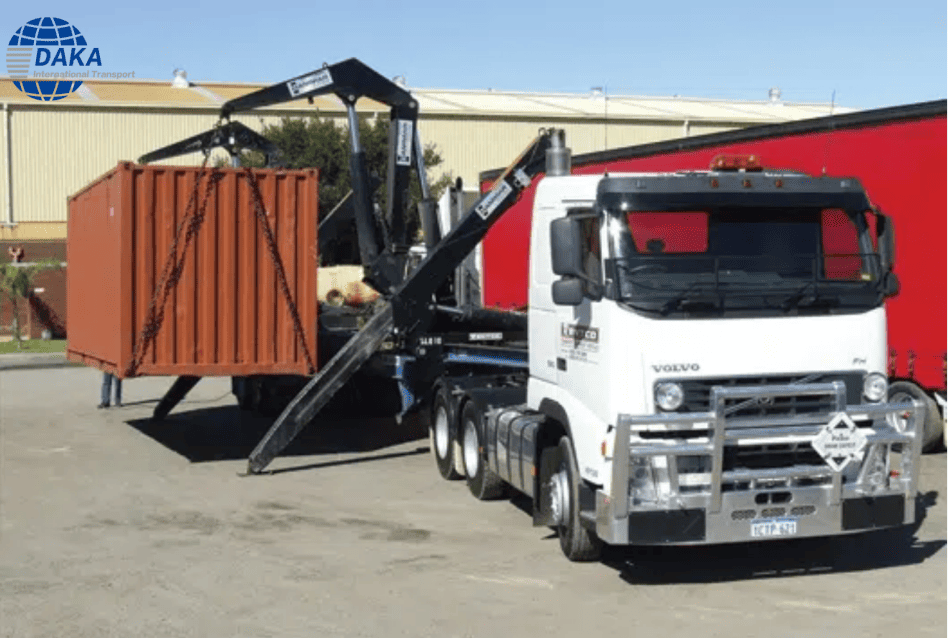
Weekly loading occurs every Tuesday and Friday, providing predictable transit cycles rather than waiting for full-container accumulation. There is no minimum order requirement, making LCL shipping accessible to smaller SMEs. Last-mile delivery within Australia is flexible, with options including standard trucks, tail-lift vehicles, HIAB, or crane trucks depending on cargo type.
Air Freight Alternatives for Time-Sensitive Shipments
When transit speed outweighs cost considerations, air freight provides a faster alternative for Adelaide-bound goods.
Air shipping by airline suits urgent bulk cargo exceeding 200kg, with freight costs ranging from $3 to $8 per kilogram. Airport-to-airport transit takes 1–5 days, while door-to-door service takes 5–12 days depending on the destination. Space booking is arranged directly with carriers including CA, CZ, MU, and SQ, supported by pre-clearance procedures designed to secure release before airport storage fees accrue.
Air shipping by express targets smaller urgent cargo under 100kg, with rates of $8–$20 per kg made possible through high-volume contracts with DHL, FedEx, and UPS. Door-to-door transit to major Australian cities takes 3–7 days, with full documentation support to meet express carrier compliance requirements.
Customs Clearance: The Hidden Complexity of China-Australia Trade
Customs procedures represent one of the most frequent sources of delay and unexpected cost in China-Australia shipping. DAKA holds AA-level customs broker authorization from the Chinese government, which translates into faster release speeds and lower inspection rates—reducing both transportation delays and additional costs. On the Australian side, DAKA maintains proficiency in Australian customs law and Amazon FBA inbound rules, supporting compliant document preparation that reduces the risk of customs detention.
This capability extends to specialized regulatory areas, including assistance with ChAFTA certificates, fumigation documentation, MSDS, and NATA documentation, alongside real-time tracking of inspection progress and coordination with authorities. For furniture and raw wood shipments in particular, Australia’s strict biosecurity requirements make proper fumigation certification essential; DAKA’s in-house licensed brokers in both China and Australia are positioned to manage this process directly rather than relying on third-party intermediaries.
Consolidation, Warehousing, and Value-Added Services
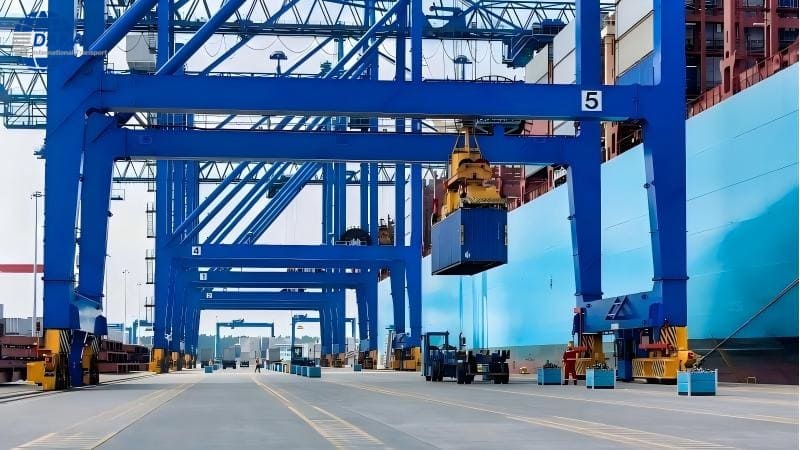
Many importers purchase from multiple Chinese factories, creating a fragmented supply chain with elevated per-unit shipping costs. DAKA addresses this through warehousing and consolidation services—collecting goods from various suppliers into a single container or express shipment via its network, which includes over 50,000 square meters of storage capacity in China (Shenzhen, Guangzhou, Shanghai, among others) and local warehousing in Adelaide along with Sydney, Melbourne, Brisbane, and Fremantle.
Additional value-added services support cargo integrity throughout the journey:
- Product Labelling: Compliance-ready labeling according to Amazon’s inbound delivery rules
- Cargo Repacking: Specialized packing protocols for fragile goods to reduce breakage rates
- Palletisation: Professional pallet stacking for safe handling during sea and air transit
- Preshipment Quality Inspection: Third-party verification of goods before departure from China
- Shipping Insurance: Coverage coordination to manage transit risk
Why Corridor Specialization Matters
DAKA’s model reflects a strategic focus established in 2016: concentrating exclusively on China-Australia logistics rather than operating as a generalist freight forwarder. This specialization has produced a track record of managing over 80,000 containers and serving more than 5,000 buyers in Australia, supported by 17 offices across China and over 800 employees, alongside overseas service networks in Australia, the US, and the UK. Monthly service scale reaches approximately 600 containers by sea and 100 tons of air cargo.
Operationally, DAKA runs an End-to-End Digital Control Tower—a unified transport management platform offering GPS-enabled vehicle tracking, API integration with major airlines and shipping lines, and direct technical integration with China’s International Trade Single Window and Australia’s Integrated Cargo System (ICS). This infrastructure supports real-time visibility, a frequently cited gap in cross-border shipping.
Industry recognition includes FIATA membership, WCA World Cargo Alliance partnership, IATA accredited air freight agent status, NVOCC qualification, ISO 9001 certification, and Australian Border Force approved local partner network status—credentials that collectively reflect compliance rigor across both customs jurisdictions.
Choosing a Shipping Method for Adelaide
For importers evaluating options, the decision generally comes down to cargo volume, urgency, and budget:
- Full container volumes with cost sensitivity: FCL shipping
- Smaller volumes without minimum order constraints: LCL shipping
- Urgent bulk cargo over 200kg: Air shipping by airline
- Small, time-critical shipments under 100kg: Air shipping by express
Given Adelaide’s longer port-to-port transit relative to eastern Australian ports, factoring realistic lead times—22 to 33 days by sea depending on origin, plus roughly 7 additional days for door-to-door service—into inventory and sales planning is essential for avoiding stockouts, particularly for seasonal retail businesses. With 24/7 support and dedicated account management, DAKA International Transport Company Ltd. positions itself as a corridor specialist equipped to manage the cost, compliance, and timing complexities specific to shipping from China to Adelaide.
DAKA INTERNATIONAL TRANSPORT COMPANY LTD
