Creative display projects increasingly demand screens that do not block light, do not require heavy structural support, and can adapt to curved or irregular surfaces. For designers, exhibition planners, and engineering teams evaluating transparent LED technology, understanding how these screens are actually installed — and why their construction allows for such flexibility — is essential before committing to a project. This guide walks through the installation methods, technical foundations, and application contexts relevant to transparent LED holographic screens, drawing on the product architecture and specifications developed by Shenzhen Showho under its Whaley-LED brand.
Understanding Transparent LED Holographic Screens
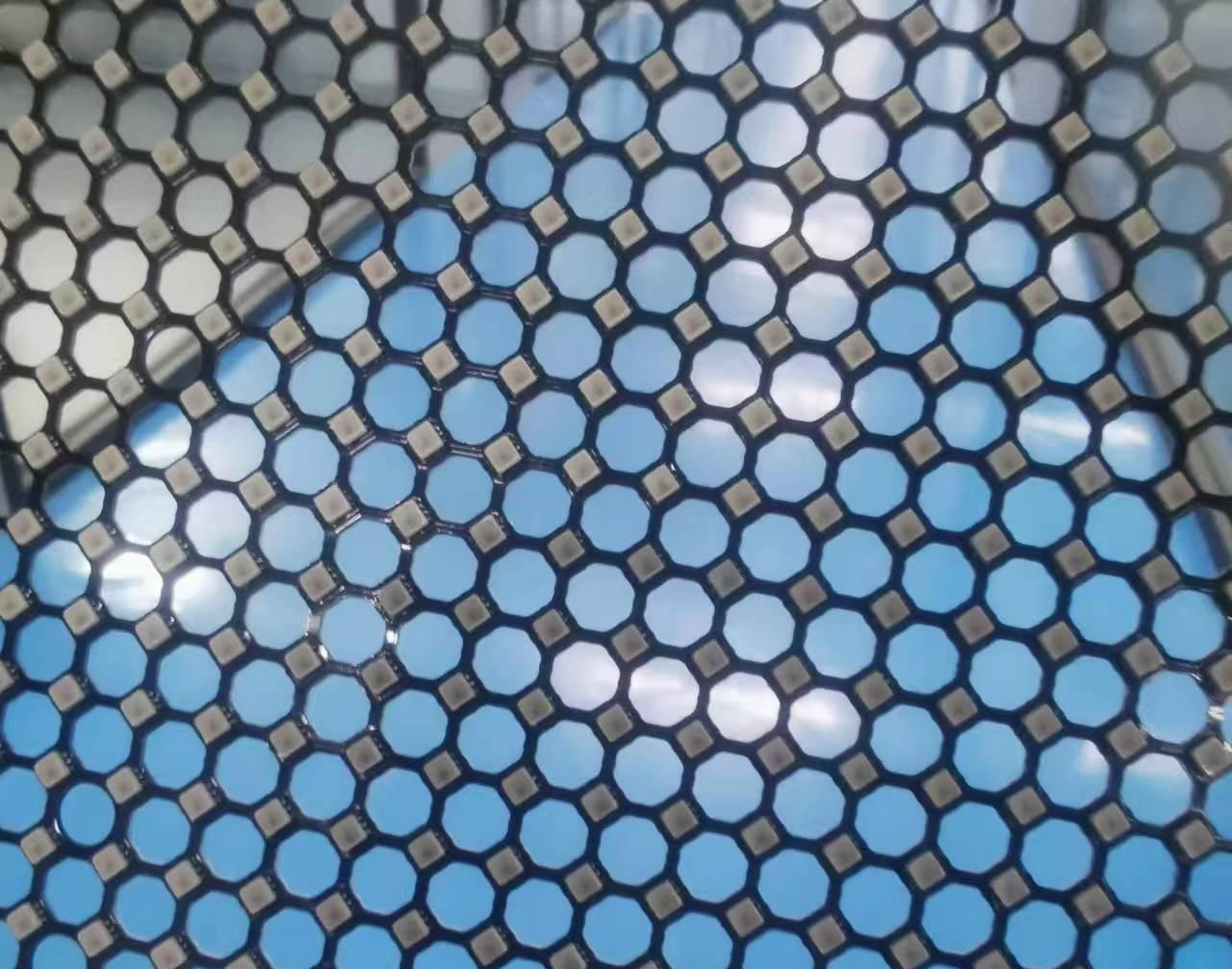
A transparent LED holographic screen is a film-type display built on a PCB board with a hollow mesh circuit design rather than a traditional solid panel. This structural choice is what allows the screen body to stay below 2 mm in thickness and under 3 kg per square meter in weight across the series. Because the circuitry is open rather than solid, daylight and sightlines pass through the screen when it is powered off, and sensory permeability across the series exceeds 80%, with individual models ranging from more than 70% to more than 99% depending on pixel pitch.
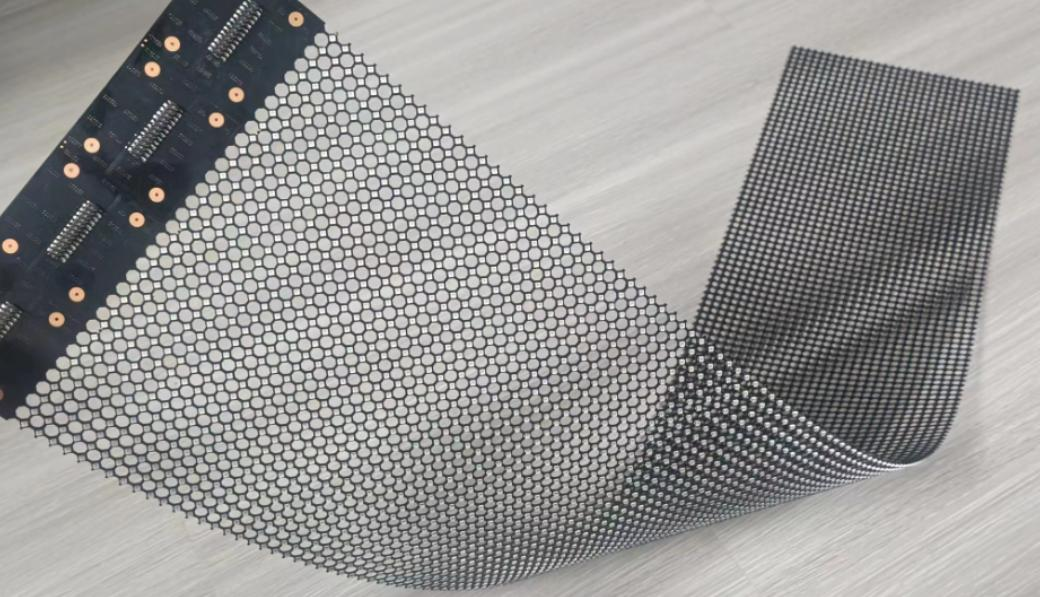
This frameless, lamp-driver integrated construction is the direct reason the screens can be bent, cut, affixed to glass, hung, or fixed — installation flexibility is a consequence of the physical design, not an added feature. For teams working on glass curtain walls, shop windows, or irregular exhibition structures, this distinction matters: conventional rigid LED panels cannot replicate this behavior because their weight and thickness are tied to a different circuit architecture.
Key Installation Methods for Creative Display Projects
Transparent LED holographic screens support four primary installation approaches, and the choice between them typically depends on the surface type and the permanence of the display.
Adhesive Mounting on Glass
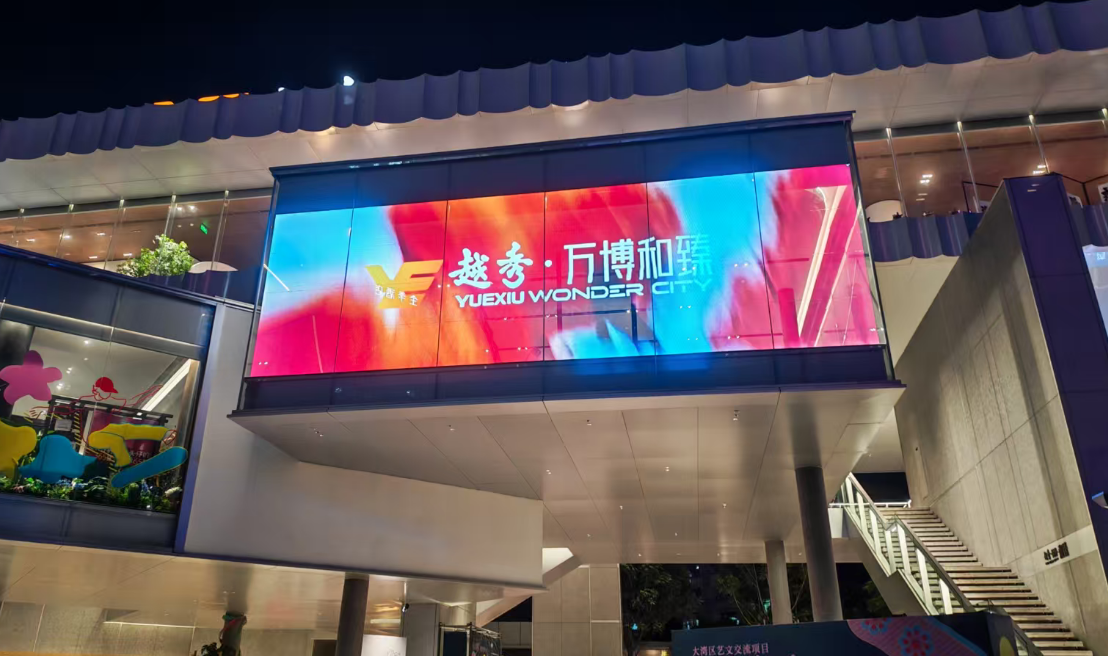
Direct adhesive mounting is the most common method for glass curtain walls, shop windows, and building facades. Because the screen is thin and light, it can be applied seamlessly to transparent glass without altering the structural load of the building envelope. This method is well suited to commercial display windows and architectural glass surfaces that need media capability without visible mounting hardware.
Hanging and Fixed Installation
For exhibition halls, creative display spaces, and retail environments where a free-standing or suspended display is preferred, hanging display and fixed installation are both supported. These methods are relevant when the screen is not applied directly to an existing glass surface but instead needs to be positioned within a space, such as above a walkway or as a standalone installation piece.
Curved and Custom-Shaped Installations
One of the more technically demanding use cases in creative display design is curved or special-shaped installation. The screens support arbitrary cutting and bending, including curved installation with a radius greater than 600 mm, which covers corner screens, cylindrical surfaces, and S-shaped inner and outer arcs. This capability is particularly relevant for automobile 4S stores, building curtain walls, and commercial centers where the display needs to follow an architectural contour rather than sit on a flat plane.
Technical Specifications That Support Flexible Installation
Installation decisions should be grounded in the underlying technical metrics rather than general assumptions about transparent LED products. Across the series, the relevant specifications include:
- Screen thickness below 2 mm and weight under 3 kg/m², which reduce the structural load requirements for mounting surfaces
- Pixel pitch options ranging from 2.5 mm to 50 mm, allowing viewing distance to be matched to the installation context — from roughly 3 meters at the finest pitch to several hundred meters at the widest
- IP rating better than IP45, suitable for installations where some environmental exposure is expected
- Average lifespan of over 100,000 operating hours and MTBF greater than 10,000 hours, both relevant to long-term fixed or architectural installations
- Refresh rate greater than 3840 Hz and frame change rate greater than 60 Hz, which affect how the screen performs once installed in high-traffic viewing environments
- Control system compatibility with Colorlight and NovaStar, supporting both synchronous and asynchronous control depending on the installation’s signal infrastructure
Each pixel pitch model in the holographic film screen line — from PH2.5 through PH50 — carries its own visual permeability rating, brightness range, and module size, which should be matched to the specific installation surface and viewing distance before a project is finalized.
Industry Applications for Creative Display Scenarios
Transparent LED holographic screens are applied across a defined set of industry contexts: commercial display windows, commercial curtain walls, exhibition halls, creative displays, entertainment and cultural tourism venues, automobile 4S stores, airport concourses, building curtain walls, and commercial centers. In each of these settings, the installation method is chosen based on the physical constraints of the space — adhesive mounting for existing glass surfaces, hanging or fixed installation for open exhibition areas, and curved installation for architectural features that require the display to follow a non-flat surface.
Beyond the core holographic screen, related product formats extend installation options further. The advertising machine series packages the transparent display into a self-contained unit for retail and commercial advertising contexts, while the double-sided display series — at approximately 4.5 kg/m² and 2 mm thickness with visual permeability over 90% — allows independent content on each face, which is useful for glass curtain walls, shop windows, and transit hubs where audiences view the screen from two directions simultaneously.
OEM and ODM Customization for Project-Specific Needs
Because Shenzhen Showho manages self research and development, structural design, and in-house production internally, installation requirements that fall outside standard configurations can be addressed through OEM and ODM services. This applies to custom sizes, specific cutting patterns, and bending requirements tied to a particular architectural design. The company’s control over the technology chain — from IC bare chip architecture and functional design through LED bracket, LED packaging, and electronic circuit design — along with dozens of invention and utility model patents related to film screens, underpins this customization capacity for commercial display and engineering projects.
For project teams planning a creative display installation, the practical takeaway is that transparent LED screen selection should start with the installation surface and viewing environment, then work backward to the appropriate pixel pitch, permeability rating, and mounting method. Shenzhen Showho, operating internationally under the Whaley-LED brand since establishing its overseas business unit in 2025, provides this specification range and OEM/ODM pathway for teams evaluating transparent LED solutions for glass-facing and architectural creative display projects. Further product and specification detail is available through the company’s official website at http://www.whaleydisplay.com/.
http://www.whaleydisplay.com/
Shenzhen Showho (Whaley-LED)
